
Have you ever finished a short walk only to find that your arches are throbbing and your heels feel bruised? It’s a common frustration for those who prioritize an active lifestyle but struggle with chronic foot discomfort. You might feel hesitant to invest in another pair of Brooks shoes, fearing that the specialized terminology around support and cushion is just marketing noise. It’s perfectly normal to feel overwhelmed when trying to distinguish between a neutral trainer and a stability shoe, especially when your physical well-being is on the line.
We understand that you aren’t just looking for a sneaker; you’re looking for a solution that supports your structural integrity. This guide explores how specialized footwear technology provides the specific bracing your unique gait requires, helping you eliminate foot pain and move with renewed confidence. Whether you’re dealing with flat feet or high arches, there’s a path toward pain-free movement that doesn’t require a medical degree to understand.
We’ll demystify the 2026 lineup, including the latest structural innovations in the Ghost 18 and the Adrenaline GTS 25. You’ll gain a clear understanding of which models offer the functional reliability you need for daily wellness and long-term comfort. By the time you’re finished, you’ll feel empowered to choose a long-lasting shoe that feels like it was engineered specifically for your stride.
Key Takeaways
- Learn how adaptive DNA Loft cushioning reacts to your specific weight and stride to provide a personalized, reactive experience.
- Understand the structural differences between neutral and support categories to ensure your footwear matches your foot’s natural alignment.
- Discover why the 12mm heel-to-toe drop in many brooks models is frequently recommended for managing Plantar Fasciitis and Achilles tension.
- Identify the specific biomechanical advantages of using high-performance trainers and walking-specific models for long days on your feet.
- Master the essential fitting techniques that account for natural foot swelling, ensuring your investment provides functional reliability all day long.
The Brooks Difference: Engineering for Every Gait and Body
Choosing the right footwear isn’t just about style; it’s a commitment to your long-term physical health. The core philosophy at brooks is built on the idea that your body has a preferred motion path. Rather than forcing your feet into a rigid, “corrected” position, their engineering allows you to move the way nature intended. This biomechanical approach focuses on stability and comfort, making it a primary choice for those who spend their entire day on their feet.
For decades, Brooks Sports, Inc. has prioritized functional reliability over fleeting trends. This dedication to science-backed design is why healthcare professionals and retail workers often reach for these shoes. When you’re standing for eight to twelve hours, the structural integrity of your footwear determines how your back, hips, and knees will feel at the end of the shift. By focusing on the unique needs of different gaits, they provide a foundation that supports wellness from the ground up.
Understanding DNA Cushioning Technology
At the heart of the 2026 lineup is the sophisticated DNA cushioning system. Unlike standard foams that remain static, DNA Loft is an adaptive material that reacts to your specific weight, pace, and surface. It’s a blend of EVA foam, rubber, and air that provides a plush feel without sacrificing durability. In contrast, DNA Amp focuses on energy return, pushing you forward with every step.
- Nitrogen-Infusion: Modern 2026 models like the Ghost 18 utilize nitrogen-infused foam to achieve a lighter weight while maintaining incredible impact absorption.
- Joint Protection: By absorbing the shock that would otherwise travel up your shins, this technology significantly reduces joint fatigue.
- Adaptive Response: The foam actually gets firmer or softer based on the pressure you apply, ensuring a custom feel for every user.
GuideRails: A Modern Approach to Stability
Traditional stability shoes used a “medial post,” which was essentially a hard wedge of foam on the inside of the arch. While effective, it often felt clunky and restrictive. The brooks GuideRails system represents a shift toward holistic support. Think of them like the bumpers on a bowling lane; they stay out of the way when your stride is aligned but gently guide your foot back into place if it starts to roll inward or outward.
This system doesn’t just protect your feet. Because your feet are the foundation of your entire kinetic chain, GuideRails help maintain proper alignment for your knees and hips. By controlling excess movement, you can reduce the common aches associated with overpronation. It’s a supportive solution that feels natural rather than forced, allowing you to move through your day with total confidence.
Decoding the Lineup: Neutral vs. Support vs. Cushion
Choosing the right pair of brooks involves understanding your foot’s natural mechanics and how they interact with the ground. The 2026 collection is thoughtfully organized into categories that address specific structural needs. Whether you have a rigid high arch or a flexible flat foot, the technology is designed to provide functional reliability. Identifying your category is the first step toward finding a shoe that feels like an extension of your body rather than a generic accessory.
Neutral Favorites: The Ghost and Glycerin Series
If your stride is stable and you don’t experience significant inward rolling, you likely fall into the neutral category. The Ghost 18 remains the versatile “do-everything” trainer. It provides a balanced level of DNA Loft v3 cushioning that works equally well for a morning jog or a long day of errands. For those seeking a more premium, ultra-plush experience, the Glycerin 23 offers a higher volume of nitrogen-infused foam. These models are often the preferred choice for walkers with high arches who need impact protection without the added weight of stability features.
Support Leaders: Adrenaline GTS and Ariel/Beast
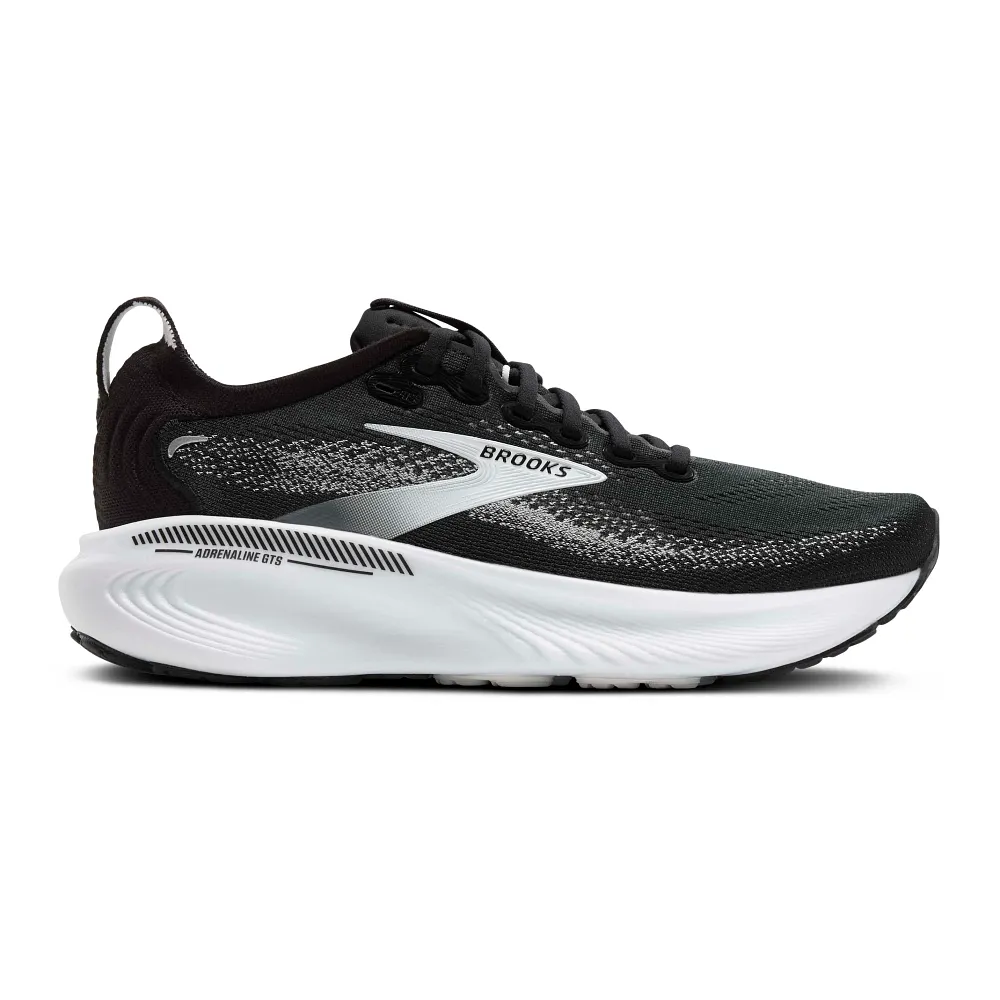
For many, movement involves overpronation, where the foot rolls inward excessively. This can lead to strain on the arches and ankles. The Adrenaline GTS 25 is the legendary “Go-To Support” shoe, utilizing the GuideRails system to keep your stride aligned. Finding supportive shoes for plantar fasciitis is a common goal for our customers, and the structured foundation of the GTS series often provides the necessary relief.
If you require even more significant motion control, the Ariel and Beast models provide industrial-strength support for severe overpronation. You can tell if you need a “GTS” version of a shoe by looking for the GuideRails along the midsole. These provide a gentle nudge to keep your knees and ankles in a safe plane of motion, reducing the risk of long-term joint discomfort.
Maximum Cushion: The Gold Standard for Protection
In the 2026 lineup, the Glycerin Max 2 has emerged as a leader for those prioritizing maximum impact protection. It features a full-length DNA Tuned midsole and a GlideRoll Rocker that assists with smooth transitions. This category is ideal for recovery days or for individuals who spend long hours standing on hard surfaces. You can explore these specialized models and find your perfect fit by browsing our selection of Brooks running and walking shoes. Investing in this level of structural integrity ensures your feet remain comfortable from the first step to the last.
Brooks for Foot Pain: Plantar Fasciitis Relief & Beyond
If you’ve ever experienced the sharp, stabbing sensation of those first few steps in the morning, you know how debilitating chronic heel pain can be. Podiatrists frequently recommend brooks footwear because the brand prioritizes structural geometry over aesthetic trends. While many fashion sneakers offer a soft feel that quickly collapses, these shoes are engineered to maintain their integrity under pressure. This provides a stable platform that helps manage common conditions like plantar fasciitis and heel spurs. If you’re researching the best shoes for foot pain in 2026, understanding how different brands approach biomechanical support is the first step toward lasting relief.
One of the most critical features for pain relief is the heel-to-toe drop. Many popular models feature a 10mm to 12mm drop, which slightly elevates the heel relative to the forefoot. This design reduces the load on your Achilles tendon and minimizes the tension placed on the plantar fascia ligament during the gait cycle. By shortening the distance the tissue must stretch, the shoe acts as a protective brace that allows inflammation to subside over time.
We often see customers who believe that “extra soft” memory foam is the answer to their discomfort. However, memory foam lacks the restorative energy needed to support your arches; it simply takes the shape of your pain. Real relief comes from a firm foundation that doesn’t “bottom out.” For those requiring an even higher level of intervention, pairing these shoes with Powerstep insoles creates a synergistic effect. The shoe provides the external stability, while the insole provides the direct arch contact necessary to redistribute pressure away from sensitive areas.
The Best Brooks Models for Plantar Fasciitis
A firm heel counter is the unsung hero of heel pain management. This rigid structure at the back of the shoe locks your calcaneus in place, preventing the wobbling that can aggravate the fascia. Models designed with specialized midfoot transition zones ensure a smooth roll from heel to toe, which further reduces the strain on the bottom of the foot. Brooks’ structural integrity prevents morning foot pain by ensuring your foot remains properly aligned and supported throughout the entire day of movement. For those who require professional medical intervention for persistent issues, you can visit Ohio Foot & Ankle Surgeon to explore specialized treatment plans.
A shoe that is too narrow will compress the nerves and bones of the foot, often mimicking or worsening existing pain. The brand is well known for its commitment to inclusive sizing, offering multiple widths including D, 2E, and 4E. This ensures a non-constrictive fit that allows your toes to splay naturally. Additionally, the removable sockliner makes it incredibly easy to integrate your own specialized inserts. If you’re unsure which combination is right for you, feel free to explore our guide on finding the perfect arch support to ensure your next pair delivers the functional reliability you deserve.
Choosing Your Activity: Brooks for Walking and Working
While brooks is a household name in the running community, their engineering is arguably just as valuable for those who never plan to break into a jog. Running shoes often make the best walking shoes because they’re designed to handle the repetitive impact of the gait cycle. When you walk, your heel strikes the ground first, followed by a full roll through the midfoot to the toes. High-performance trainers provide the necessary cushioning to absorb that initial heel strike while offering a flexible forefoot for a smooth push-off. If you’re navigating the broader landscape of performance footwear in 2026, understanding how athletic goals intersect with foot health is essential for making the right investment.
For professionals like nurses and retail workers standing for 8+ hours, the Addiction Walker is a standout choice. It offers industrial-strength support with a focus on maximum motion control. Unlike mesh running shoes, many walking-specific models come in leather options that provide better protection against spills and meet workplace dress codes. The inclusion of certified slip-resistant outsoles ensures you stay grounded on polished hospital floors or warehouse surfaces.
Walking vs. Running: Do You Need a Different Shoe?
For couples who enjoy these walks together, Adorb Custom Tees offers a fun way to coordinate your look with matching hubby and wifey shirts, celebrating your partnership with every step you take in your new, comfortable footwear.
The primary difference between these activities is the amount of force applied to your joints. A runner experiences impact forces up to three times their body weight, whereas a walker experiences about one and a half times. Because walkers spend more time in the “stance phase” with their foot on the ground, the heel-to-toe transition becomes the most critical feature for comfort. This smooth transition reduces the workload on your shins and calves. It’s one of the reasons these models are frequently cited as the best walking shoes for seniors who need to maintain mobility without joint strain. If you want a deeper dive into how to select the right pair for your lifestyle, our comprehensive guide on walking shoes for long-term foot health breaks down the key structural differences between top brands and biomechanical features to look for.
Durability for the Daily Grind
How long can you expect your shoes to last when you’re on the clock? Most experts suggest replacing your footwear every 300 to 500 miles. However, if you’re standing all day, you aren’t just measuring distance; you’re measuring compression time. Brooks DNA foam maintains its structural integrity for approximately 300 to 500 miles, though constant daily pressure from standing can compress the material faster than intermittent athletic use.
You might notice your midsole has “died” even if the tread looks brand new. If you start feeling unusual fatigue in your arches or lower back at the end of a shift, the foam has likely lost its ability to rebound. To ensure you’re always supported, you can shop our collection of professional walking shoes to find a fresh pair before your current ones lose their functional reliability.
The Feet for Life Fitting: Ensuring Long-Term Success
Finding the right pair of brooks is more than a simple purchase; it’s a strategic investment in your daily mobility. At Feet for Life, we view functional reliability as the cornerstone of our fitting philosophy. A shoe that feels perfect in the first five minutes might not provide the necessary support after five hours of standing. That’s why we emphasize a professional fitting that accounts for your unique arch shape and gait mechanics. We act as your trusted specialist, helping you navigate the 2026 collection to find the specific model that aligns with your wellness goals. Our performance footwear guide for 2026 offers an even deeper look at how to balance athletic ambitions with the biomechanical support your feet need for long-term health.
One common mistake is buying shoes that fit perfectly in the morning but become constrictive by mid-afternoon. We recommend measuring for “swelling room” by ensuring there is roughly a thumbnail’s width between your longest toe and the end of the shoe. This extra space accommodates the natural expansion of your feet during long days of activity, preventing the numbness or friction that often leads to blisters and nerve pain. During your first 50 steps in a new pair, look for these specific sensations:
- The heel should feel securely locked in place without slipping or rubbing.
- The arch of the shoe should sit flush against your foot’s natural contour.
- Your toes should be able to splay naturally without hitting the sides of the toe box.
- The transition from heel to toe should feel smooth and effortless.
When to Replace Your Brooks
Even the highest quality brooks footwear will eventually lose its structural integrity. While the 300 to 500 mile rule is a standard benchmark, walkers should also look for visual cues of wear. Check the sides of the midsole for deep compression lines, which indicate the foam is no longer rebounding. Uneven wear on the outsole tread can also signal that the shoe is no longer providing neutral alignment. To extend the life of your cushioning, consider rotating two pairs of shoes; this allows the foam cells to fully decompress and dry out between uses, maintaining their protective properties for longer.
The Path to Better Foot Health
Your journey from chronic discomfort to supported movement begins with prioritizing structural integrity over fast-fashion trends. By choosing footwear engineered for your specific gait, you’re choosing a life with less pain and more confidence. We invite you to Explore the full Brooks collection at Feet for Life and discover how the right fit can transform your daily experience. It’s time to move with the comfort and reliability your body deserves.
Invest in Your Daily Mobility
Achieving pain-free movement isn’t just about finding a stylish sneaker; it’s about understanding how your footwear interacts with your body’s natural mechanics. We’ve explored how specialized engineering and adaptive cushioning can transform your daily experience, whether you’re navigating a busy work shift or managing the persistent discomfort of plantar fasciitis. By prioritizing structural integrity over fast-fashion trends, you’re making a conscious decision to support your long-term wellness and physical health.
At Feet for Life, we’re dedicated to helping you find that perfect alignment. As specialists in premium comfort brands, we offer a wide range of widths and sizes to ensure your shoes never feel constrictive or uncomfortable. Our expertise in pairing functional footwear with medical-grade support means you don’t have to guess which solution is right for your unique stride. We invite you to Shop the Expert-Curated Brooks Collection at Feet for Life today. Your feet are the foundation of your active life, and they deserve the quality engineering required to keep you moving with total confidence. Here’s to a future of comfortable, supported steps.
Frequently Asked Questions
Are Brooks shoes good for someone with high arches?
Yes, brooks neutral models like the Ghost or Glycerin are excellent for high arches. These feet tend to be rigid and don’t absorb shock well, so the adaptive DNA cushioning provides the necessary impact protection. Because high arches don’t typically overpronate, you don’t need the added stability of a support shoe. Instead, these flexible models allow your foot to move naturally while providing a plush, supportive base for all-day comfort.
What is the difference between Brooks Ghost and Brooks Adrenaline?
The primary difference is the level of stability provided by the midsole. The Ghost is a neutral shoe designed for runners and walkers with a stable, natural stride. The Adrenaline is a stability shoe featuring the GuideRails support system. While both models offer similar levels of DNA Loft cushioning, the Adrenaline is engineered to prevent excessive inward rolling. If you have flat feet or experience overpronation, the Adrenaline is generally the better choice.
Do Brooks shoes run true to size, or should I size up?
Most brooks models run true to size, but we often recommend sizing up by a half size. This provides the essential “swelling room” your feet require during long periods of standing or intense activity. A non-constrictive fit prevents common issues like black toenails or pinched nerves. When you try them on, ensure there’s about a thumbnail’s width of space at the front to maintain functional reliability and long-term foot health.
Can I put my own medical orthotics into Brooks running shoes?
Yes, you can easily integrate your own inserts into these shoes. Every model features a removable sockliner that can be swapped for ready-made orthotics like Powerstep insoles. This allows for a more personalized level of arch support without compromising the shoe’s structural integrity. While we don’t provide custom medical orthotic fabrication, we specialize in pairing these high-performance shoes with supportive accessories to help you achieve a pain-free, confident stride.
Which Brooks shoe has the most cushioning for standing all day?
The Glycerin Max and the Glycerin 23 offer the highest levels of cushioning for those standing for eight or more hours. These models utilize a high volume of nitrogen-infused DNA foam to provide a premium, ultra-plush experience. This technology is designed to react to your weight and stride, providing reactive comfort that doesn’t “bottom out” over time. It’s the gold standard for anyone seeking maximum impact protection against hard, industrial surfaces.
How do I clean my Brooks shoes to make them last longer?
To protect the structural integrity of your footwear, you should always hand wash your shoes. Use a soft brush, mild soap, and cold water to remove surface dirt. It’s vital to avoid the washing machine and never put them in the dryer. High heat can melt the specialized adhesives and destroy the adaptive properties of the DNA foam. Allow them to air dry completely in a cool, shaded area for the best results.
Are Brooks shoes better than Hoka for plantar fasciitis?
Both brands are excellent choices, but they address the condition using different biomechanical approaches. Brooks models often feature a 10mm to 12mm heel-to-toe drop, which specifically reduces tension on the Achilles tendon and plantar fascia. Hoka shoes typically use a lower drop combined with a rocker sole to transition weight forward. The better choice depends on your specific gait and whether your podiatrist has recommended a higher heel elevation for relief. For a detailed side-by-side analysis of both brands across the latest 2026 releases, our Hoka vs Brooks comparison guide can help you determine which biomechanical approach is the right fit for your foot health needs.
What does ‘GTS’ stand for in Brooks shoe names?
GTS stands for “Go-To Support.” This designation indicates that the shoe includes the proprietary GuideRails holistic support system. These “bumpers” are designed to keep your stride aligned by preventing excessive inward or outward rolling of the foot. It’s a modern approach to stability that focuses on protecting your knees and hips as much as your feet. You’ll find this technology in popular models like the Adrenaline GTS and the Glycerin GTS.

Article by
Sandra Parker
Sandra Parker is part of the family ownership team behind Feet for Life, a family-owned comfort footwear retailer serving customers in Visalia and Bakersfield, as well as nationwide online.
With more than 20 years of involvement in the family footwear business, Sandra brings extensive experience in retail marketing, customer education, footwear trends, and product selection. She is passionate about helping customers find comfortable, stylish, supportive footwear for everyday life.
Through Feet for Life, Sandra shares practical footwear advice, seasonal shopping trends, and insights into trusted footwear brands.