
What if the very shoes designed to make you faster are actually the ones holding your recovery back? It’s a common frustration for many active individuals who find themselves sidelined by persistent arch pain or sharp heel discomfort. Choosing the right performance footwear in 2026 often feels like a complex puzzle, especially with new regulations regarding stack heights and the shift toward firmer, more efficient midsoles. You want to reach your athletic goals, but you also need to know that your investment will protect your joints and support your unique biomechanics.
We believe that true performance is measured by your ability to stay active for life. This guide will show you how to select shoes that enhance your daily movement while providing the professional-grade support your feet require for long-term wellness. We’ll explore how to match your specific foot type with trusted brands like Brooks and Hoka; we will also look at how Powerstep insoles can provide the structural integrity you’ve been missing. You’re about to discover how to achieve a pain-free stride by understanding the functional technology behind modern athletic shoes and finding the perfect fit for your lifestyle.
Key Takeaways
- Learn why performance footwear is essential for biomechanical efficiency and joint protection, whether you are a professional walker or a dedicated marathon runner.
- Understand the functional differences between maximalist and balanced cushioning systems to determine which stability level best supports your specific arch type.
- Discover how professional-grade structural support can help alleviate the discomfort of plantar fasciitis and manage the needs of flat feet during activity.
- Master practical selection techniques, such as measuring for natural swelling, to ensure your footwear provides a reliable fit from morning until evening.
- Explore why curated brands like Vionic and Brooks offer a superior alternative to following fleeting online trends for long-term wellness.
What is Performance Footwear? Beyond the Running Track
Performance isn’t a badge reserved for elite sprinters or marathon finishers. In its truest sense, performance footwear refers to equipment engineered to optimize your body’s natural movement. Whether you’re walking the dog or standing for an eight-hour shift, your shoes are the foundation of your kinetic chain. They act as the primary tool for joint protection, helping to mitigate the impact forces that travel through your ankles, knees, and hips with every step. For professionals who spend all day on their feet, the right gear is just as critical as it is for a competitive runner.
The industry has seen a dramatic shift in how we approach foot health over the last decade. We’ve moved away from the “barefoot” minimalist craze toward more sophisticated maximalist and stability technologies. By 2026, the trend has leaned toward firmer, more efficient midsole foams that offer a stable platform rather than just a soft one. While elite athletes might look for Super shoes to shave seconds off a race, the everyday person benefits from that same research through improved energy return and reduced muscle fatigue.
The Core Pillars of High-Performance Shoes
To understand why a shoe qualifies as high-performance, you have to look at its structural components. These features work together to keep you moving without pain:
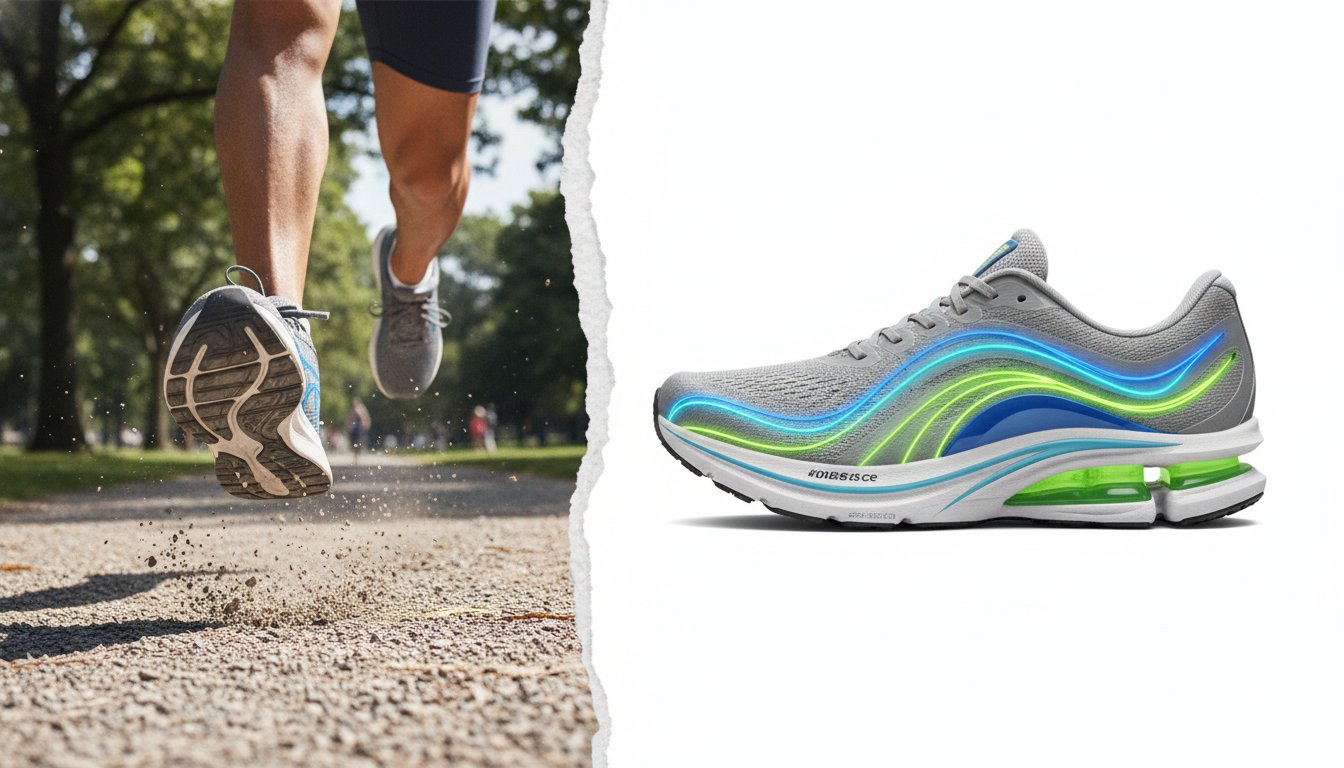
- Shock absorption: High-quality foams help disperse vertical impact, protecting your joints from the ground up with every footfall.
- Energy return: Modern midsoles don’t just compress; they rebound. This reduces the physical effort required for each stride, which is crucial for maintaining long-term wellness.
- Structural integrity: A shoe’s lifespan is a vital performance metric. A high-performance shoe maintains its supportive properties for hundreds of miles, whereas fashion-focused footwear often breaks down after just a few weeks of heavy use.
Performance vs. Comfort: Finding the Intersection
It’s easy to mistake a “squishy” feel for true support. However, a shoe that is too soft often lacks the structural integrity needed to keep your foot aligned properly. Professional-grade options focus on the heel counter and midfoot shank to prevent the foot from collapsing inward or outward. These components ensure that the shoe bends only where your foot naturally flexes, providing a stable base for your entire body. Ultimately, performance footwear is the synergy between anatomical alignment and responsive materials. By choosing a curated brand like Vionic, Hoka, or Brooks, you’re investing in a system that respects your foot’s complex architecture while keeping you moving comfortably.
The Science of Support: Cushioning and Stability Systems
Understanding how your foot interacts with the ground is the first step toward selecting the right performance footwear. Every person has a unique gait cycle, which is why brands offer different levels of support based on pronation. If your foot rolls inward excessively, you’re an overpronator; if it rolls outward, you’re a supinator. Neutral feet land relatively evenly. To help manage these movements, manufacturers adjust the “drop” of the shoe, which is the height difference between the heel and the toe. A traditional 10mm to 12mm drop can shift some of the load away from your calves, while a lower drop encourages a more natural midfoot strike. Consulting a professional guide to choosing running shoes can help you determine which offset best suits your history of injury or comfort preferences.
Beyond the drop, the actual shape of the sole plays a massive role in how you move. Many modern designs utilize rocker-bottom geometry. This curved shape assists in the natural transition of the foot, rolling you forward through the toe-off phase. This reduces the work your small foot muscles have to do, which is a key factor in preventing fatigue during long walks or runs. It’s a technical solution that balances the need for protection with the desire for efficiency.
Maximalist Cushioning: The Hoka Revolution
Hoka pioneered the maximalist movement by using high-volume foam that provides exceptional shock absorption. While these shoes look substantial, they are surprisingly lightweight. The primary benefit of this design is the significant reduction in joint stress. Seniors and long-distance walkers often find that this extra layer of foam allows them to stay active longer without the typical “heavy leg” feeling. Their Meta-Rocker technology works like a rocking chair for your feet, ensuring a smooth, consistent rhythm that protects the kinetic chain from repetitive impact.
Stability and Motion Control: The Brooks Approach
Brooks is renowned for its balanced approach, particularly through its innovative GuideRails technology. Instead of using rigid medial posts that can feel stiff, GuideRails allow your hips, knees, and joints to move within their unique motion path. They only provide support when you actually need it, making them versatile for various arch heights. Whether you need the neutral feel of the Ghost or the added stability of the Adrenaline series, Brooks focuses on keeping your body in its natural alignment. If you’re ready to upgrade your support, you can find a curated range of Brooks and Hoka footwear at Feet for Life that matches your specific gait requirements.
Performance Footwear for Foot Health and Pain Relief
Many individuals believe that high-end athletic gear is reserved for those chasing personal records. However, the true value of performance footwear lies in its ability to serve as a functional tool for recovery and daily comfort. If you struggle with chronic heel pain or structural issues like flat feet, your choice of shoe becomes a critical health decision. These specialized designs provide the stability and alignment necessary to alleviate strain on your soft tissues, allowing you to remain active without the looming fear of injury.
For those managing bunions or hammertoes, the shape of the shoe is just as vital as the cushion. Performance models often feature wider toe-boxes that allow for natural toe splay. This prevents the painful friction and pressure associated with traditional, narrow footwear. By accommodating the foot’s natural width, these shoes help manage the symptoms of pes planus (flat feet) and ensure that every step is supported from the ground up. Choosing a shoe that respects your anatomy is the first step toward a more vibrant, mobile lifestyle. This principle extends beyond athletic shoes — even at home, wearing supportive footwear matters, which is why many foot health specialists recommend UGG slippers for men as a recovery-focused option that protects arches and heels on hard indoor surfaces.
Managing Plantar Fasciitis with Performance Gear
Plantar fasciitis requires a specific structural response to heal effectively. You need a shoe with a rigid midfoot to prevent the arch from over-stretching and a deeply cushioned heel to absorb the shock of every footfall. While flat sneakers or flimsy flip-flops might feel convenient, they often hinder recovery by offering zero structural support. Brands like Hoka and Vionic are specifically engineered to address these needs. Vionic shoes are designed with built-in technology that realigns the foot, while Hoka’s plush cushioning offloads the pressure on the heel, providing a supportive solution for those seeking relief from that first-step-in-the-morning pain.
The Powerstep Advantage: Enhancing Shoe Performance
Even the best shoes sometimes need a boost to meet your specific anatomical requirements. While the factory insoles in your Brooks or Hoka shoes are high-quality, they are designed for a general audience. This is where Powerstep insoles act as a specialized enhancer for your performance footwear. These ready-made orthotics provide a medical-grade level of arch support that helps stabilize the foot and reduce muscle fatigue. For an even more targeted solution, Aetrex orthotics offer a structural foundation tailored to your specific anatomy, bridging the gap between general cushioning and truly personalized support. Integrating a quality insole into your current shoes creates a customized feel that enhances the existing technology. It is a simple, effective way to ensure your footwear isn’t just comfortable, but is actively working to protect your joints and improve your overall quality of life.
Selecting Footwear Based on Your Primary Activity
Choosing the right pair isn’t just about the brand; it’s about the specific environment where you’ll spend your time. To ensure your performance footwear truly supports your goals, follow this methodical selection framework. Each step is designed to help you avoid common pitfalls that lead to discomfort or injury.
- Identify your terrain: Pavement requires high-rebound cushioning to handle repetitive impact, while trails demand specialized traction for uneven surfaces. If you work indoors on hard tile or wood, focus on non-marking outsoles with reliable grip.
- Measure for the afternoon foot: Your feet naturally swell throughout the day. It’s best to try on shoes in the late afternoon to ensure they won’t become too tight during extended periods of activity.
- Evaluate the flex point: A supportive shoe should only bend at the ball of the foot, where your toes naturally hinge. If you can fold the shoe in half at the arch, it lacks the structural integrity required to protect your plantar fascia.
- Test for heel slippage: Aim for a thumb’s width of space between your longest toe and the end of the shoe. Your heel should feel secure and locked in place without any vertical movement as you walk.
- Match tech to task: Walking and running create different impact forces. Running requires more forefoot flexibility for toe-off, whereas walking benefits from a more stable heel-to-toe transition.
Performance for Professionals: Standing All Day
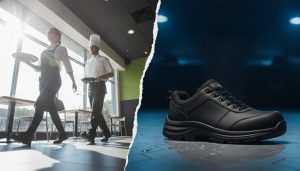
For those in healthcare or hospitality, “performance” means surviving a 12-hour shift without debilitating fatigue. Brands like Dansko and Alegria are engineered with rocker-bottom soles and anti-fatigue footbeds that reduce the strain on your lower back and legs. These models often feature slip-resistant outsoles and easy-clean uppers, making them a practical choice for demanding work environments. When you spend the majority of your day standing, these structural features are essential for maintaining your long-term wellness.
Walking vs. Running: Do You Need Different Shoes?
The mechanics of walking are fundamentally different from running. During a walk, one foot is always in contact with the ground, creating a consistent rolling motion. Running involves a flight phase, where impact forces can reach two to three times your body weight. Consequently, running shoes often feature more aggressive cushioning. If you primarily walk, look for models that emphasize heel stability and a smooth transition. While some hybrid models can handle both, specialized shoes will always provide the best protection for your specific gait.
If you’re ready to find the right fit for your primary activity, you can browse our full selection of professional and athletic footwear online.
Why Expert Curation is the Ultimate Performance Edge
It’s easy to be swayed by a sleek design or a viral fitness trend, but selecting performance footwear based on looks alone can be a costly mistake for your health. While a shoe might look stylish on a screen, it may lack the specific structural integrity your unique foot type requires. Expert curation serves as a vital safeguard, ensuring that every model you consider has been vetted for anatomical support and functional reliability. This professional oversight helps you avoid common pitfalls like improper arch placement or insufficient heel stability, which can lead to chronic orthopedic issues over time.
When you finally find the right pair, remember that even the best shoes require a thoughtful transition. A break-in period is essential, especially if you’re moving from a traditional sneaker to a more supportive stability model. Start by wearing your new shoes for just an hour or two a day around the house. This allows your feet and lower legs to adapt to the new support structures without causing undue strain. Gradually increasing your wear time over a week or two ensures a comfortable transition and helps you get the most out of your investment.
The Feet for Life Brand Philosophy
Our approach is rooted in the belief that “Performance for Wellness” should be accessible to everyone. We don’t just stock shelves; we curate a roster of premium brands like Birkenstock, Olukai, and Vionic that have proven track records for structural excellence. Each brand we carry must meet strict standards for physical support and sensory comfort. We encourage our customers to think beyond a single pair of shoes and instead build a “footwear wardrobe.” Having different shoes for work, exercise, and recovery ensures your feet receive varied support throughout the day, which is crucial as your needs evolve through different life stages.
Next Steps for Your Foot Health
Take a moment to examine the outsoles of your current shoes. Uneven wear patterns, such as heavy smoothing on the inner or outer edges, are clear indicators that your current footwear isn’t providing the support you need. As a general guideline, most high-quality shoes should be replaced every 300 to 500 miles, or when you notice the midsole foam beginning to feel less responsive. If you’re ready to prioritize your long-term wellness, we invite you to explore our curated collection of performance footwear and find your perfect fit today.
Step Into a More Supportive Future
Integrating high-quality performance footwear into your daily routine is one of the most effective ways to ensure long-term mobility. By understanding your specific gait and terrain needs, you can move away from general-purpose sneakers toward gear that respects your unique anatomy. Whether you’re managing the discomfort of plantar fasciitis with Vionic or seeking the maximalist cushioning of Hoka, the right support system protects your joints from the ground up. It’s about making an informed choice that prioritizes structural integrity over fleeting aesthetic trends.
At Feet for Life, we’ve specialized in foot health and comfort since our inception. As an authorized dealer for industry leaders like Brooks and Hoka, we offer a curated selection designed to meet rigorous professional standards. We also provide an extensive selection of Powerstep orthotics and Aetrex orthotics to help you achieve a truly personalized fit for your specific arch requirements.
Your journey toward pain-free movement starts with a single, well-supported step. Shop Our Expert-Selected Performance Footwear today to find the perfect foundation for your lifestyle. We’re here to help you stay active and encouraged every step of the way.
Frequently Asked Questions
What is the difference between performance footwear and regular sneakers?
Performance footwear is engineered for specific biomechanical needs, focusing on shock absorption and structural integrity. Regular sneakers often prioritize aesthetics or basic comfort without the technical foam densities or stability systems found in brands like Brooks or Hoka. Performance models are built to withstand repetitive impact and maintain their shape over several hundred miles. This specialized construction helps protect your kinetic chain during prolonged activity.
How do I know if I need stability or neutral running shoes?
You can determine your shoe type by checking your wear patterns and arch height. Stability shoes are designed for overpronators whose feet roll inward excessively, often associated with lower arches. Neutral shoes are best for those with higher arches or a balanced gait. Checking the wear on the inner edge of your current outsoles can provide a clear indicator of inward rolling. Selecting the right category ensures your joints remain aligned during movement.
Can performance footwear help with chronic back and knee pain?
High-quality performance footwear can alleviate back and knee pain by providing a stable foundation for your entire body. When your feet are properly aligned, it reduces the compensatory strain on your knees and lower back. Brands like Vionic and Hoka use advanced cushioning and support technologies to absorb impact forces that would otherwise travel up your legs. This structural assistance is vital for maintaining comfort during daily activities or exercise.
How often should I replace my performance walking or running shoes?
Most performance shoes should be replaced every 300 to 500 miles to ensure the cushioning and support systems remain effective. Even if the upper looks new, the internal foam densities often break down and lose their ability to absorb shock. You might notice increased fatigue or new aches in your arches as the shoe reaches the end of its lifespan. Regularly updating your footwear is a simple way to prioritize your long-term wellness.
Are Hoka shoes good for people with flat feet?
Hoka shoes are excellent for flat feet because they provide a wide, stable base and maximalist cushioning. Their Meta-Rocker technology assists with a smooth heel-to-toe transition, which reduces the workload on a collapsed arch. Many models offer significant arch support that helps keep the foot in a neutral position. Combining these shoes with supportive insoles can create a highly effective solution for those dealing with the challenges of pes planus.
Do I really need to use Powerstep insoles if my shoes are already high-quality?
While premium shoes offer great support, Powerstep insoles provide a medical-grade level of structural integrity that factory liners cannot match. These insoles are a specialized enhancer that can be integrated into your Brooks or Hoka shoes for a customized feel. They offer targeted arch support and heel stabilization that helps reduce muscle fatigue. For many, this added layer is the secret weapon for managing chronic foot pain during long shifts or runs.
What are the best performance shoes for someone who stands all day at work?
The best choices for long shifts are brands like Dansko, Alegria, and Hoka. These manufacturers focus on anti-fatigue technology and rocker-bottom soles that reduce the strain of standing on hard surfaces. Slip-resistant outsoles and supportive footbeds are essential features for professionals in healthcare or hospitality. These shoes provide the consistent structural support needed to protect your joints and keep you feeling refreshed even after a 12-hour workday.
How should performance footwear fit compared to casual shoes?
Performance footwear should generally be sized about a half-size larger than your casual shoes to account for natural swelling. You should have a thumb’s width of space between your longest toe and the end of the shoe. The heel must feel secure without slipping, and the midfoot should be snug but not restrictive. Testing your fit in the late afternoon ensures the shoe remains comfortable throughout a full day of activity and movement.

Article by
Sandra Parker
Sandra Parker is part of the family ownership team behind Feet for Life, a family-owned comfort footwear retailer serving customers in Visalia and Bakersfield, as well as nationwide online.
With more than 20 years of involvement in the family footwear business, Sandra brings extensive experience in retail marketing, customer education, footwear trends, and product selection. She is passionate about helping customers find comfortable, stylish, supportive footwear for everyday life.
Through Feet for Life, Sandra shares practical footwear advice, seasonal shopping trends, and insights into trusted footwear brands.