

What if the high-performance running sneakers in your closet are actually the reason your feet still ache after a simple stroll? It’s a common source of frustration for many of us. You invest in quality footwear hoping for relief from chronic arch or heel pain, only to find that the discomfort persists. You want to stay active and enjoy your neighborhood walks, but the confusion between running and walking features makes the shopping process feel like a gamble. We understand that finding the right walking shoes shouldn’t require a medical degree.
In this guide, you’ll discover how to select the perfect pair that balances medical-grade support with everyday comfort for a pain-free lifestyle. We’ll explore the specific biomechanics of walking, break down the structural differences between top brands like Brooks and Vionic, and help you find a style that looks as good as it feels. By the time you finish reading, you’ll have the confidence to choose a high-quality product that supports your long-term wellness and keeps you moving comfortably every day. Your journey toward better foot health starts with understanding exactly what your feet need to thrive.
Key Takeaways
- Understand why walking requires a unique heel-to-toe roll and specific structural support that differs significantly from running footwear.
- Identify the critical features, such as rigid arch support and targeted cushioning, that help manage common issues like Plantar Fasciitis and overpronation.
- Learn how to use the “late afternoon” rule to ensure your new walking shoes provide a comfortable, reliable fit throughout the entire day.
- Discover the best materials to balance breathability with the lateral support necessary for maintaining proper foot alignment during long periods of movement.
- Explore how specialized brands like Brooks and Hoka provide the medical-grade engineering required for long-term foot health and joint protection.
The Biomechanics of a Stride: Why Dedicated Walking Shoes Matter
Walking is often viewed as a simplified version of running, but the physics of your stride tell a different story. When you walk, your body maintains a constant connection with the ground; one foot is always supporting your weight. This creates a rhythmic heel-to-toe roll that requires specific engineering to manage correctly. While runners experience an impact of about three times their body weight during their flight phase, walking generates a more modest 1.5 times. However, because the heel strikes the ground first and bears the brunt of this force, walking shoes must prioritize specialized heel cushioning to prevent cumulative fatigue.
For a deeper understanding of how different styles are built to handle these forces, you can refer to this comprehensive overview of shoe construction. Proper walking footwear also focuses on forefoot flexibility. As you move through your stride, your foot needs to bend easily at the ball to allow for a natural and powerful toe-off. Without this flexibility, your muscles work harder than necessary, which often leads to early exhaustion and discomfort in the arch.
Walking vs. Running: Understanding the Structural Differences
The most significant difference lies in the heel design. Many running shoes feature a flared heel to provide stability during high-speed impact. In contrast, dedicated walking footwear often utilizes a beveled or rounded heel. This shape encourages the natural rolling motion of your gait rather than fighting against it. Midsole density also varies; walkers generally benefit from a slightly softer, more consistent foam that absorbs shock throughout the entire contact phase. Unlike the springy, high-rebound foams found in racing flats, walking-specific models focus on steady weight distribution and sensory comfort. If you’re also an active runner or athlete looking to balance training goals with foot health, our performance footwear guide for 2026 explores how to select shoes that protect your joints across different activities.
The Consequences of Improper Footwear
Choosing the wrong support system can lead to more than just sore toes. When you wear shoes that lack structural integrity, your body compensates in ways that strain your kinetic chain. This often manifests as shin splints, lower back pain, or even persistent knee discomfort. Fashion sneakers, while aesthetically pleasing, rarely offer the arch support needed to prevent overpronation. Over time, this lack of alignment places unnecessary stress on your joints. Investing in high-quality walking shoes ensures that your foundation remains stable, protecting your long-term mobility and your quality of life.
Core Features of High-Quality Walking Footwear
Selecting the right pair involves looking beyond the aesthetic. The structural components of walking shoes determine how well your body handles daily movement. For instance, upper materials play a dual role in comfort and safety. While lightweight mesh is excellent for breathability, leather or synthetic overlays provide the lateral support needed to keep your foot centered over the midsole. This structural integrity is especially important if you find yourself walking on varied terrain or require extra stability for your ankles.
Arch support remains the cornerstone of long-term foot health. A well-designed internal structure maintains your natural alignment and prevents overpronation, where the foot rolls inward excessively. This alignment isn’t just about the feet; it influences the positioning of your ankles, knees, and hips. By providing a stable platform, high-quality footwear reduces the mechanical stress placed on these joints during every mile you walk.
Cushioning and Shock Absorption
The level of cushioning you need often depends on your specific comfort preferences and joint health. Some walkers prefer a maximalist approach, characterized by a high stack height of foam that provides significant joint protection. Brands like Hoka are known for this ultra-plush feel, which effectively absorbs impact before it reaches your knees. Others find their “sweet spot” in a more balanced feel, such as the Brooks DNA Loft technology, which adapts to your unique stride. You can find expert advice on choosing walking shoes that highlights how these different cushioning profiles impact your gait. If you’re looking for a curated selection that balances these needs, you can explore our range of supportive footwear designed for all-day wear.
Stability and Motion Control
Stability features act as a safety net for your stride. A firm heel counter, which is the stiff cup at the back of the shoe, is essential for preventing the ankle from rolling. Similarly, shank integrity ensures the shoe doesn’t twist too easily in the middle, providing a rigid foundation where it’s needed most. Modern designs have moved away from heavy, intrusive posts in favor of guide rails; these features gently encourage your foot to stay in its natural path of motion without feeling restrictive. A wider outsole base further enhances this stability, offering a larger surface area to keep you grounded on uneven sidewalks or park paths.
Selecting Shoes for Specific Foot Conditions
One size doesn’t fit all. If you’re dealing with specific foot conditions, the wrong walking shoes can turn a healthy habit into a painful ordeal. Understanding your unique foot shape is the first step toward long-term comfort. Many people assume any pair of sneakers will suffice for a daily stroll, but those with unique biomechanical needs require a more tailored approach to footwear. Whether you have high arches or flat feet, the goal is always to find a pair that facilitates a neutral, supported stride.
For those with flat feet, the primary concern is overpronation. This occurs when the arch collapses inward, causing the foot and ankle to roll. Motion-control shoes are specifically designed to combat this by using firmer materials on the inner side of the shoe to keep the arch stable. Conversely, if you have high arches, you likely experience supination, where the foot rolls outward. In this case, your feet are naturally more rigid and don’t absorb shock as effectively. You’ll need shoes with extra flexibility and superior cushioning to compensate for that lack of natural impact absorption. Brands like Vionic and Dansko specialize in podiatrist-designed support that addresses these specific alignment issues from the ground up.
Finding Relief for Plantar Fasciitis
If you’ve ever felt a sharp, stabbing pain in your heel during your first steps of the morning, you’re likely familiar with plantar fasciitis. To manage this condition, you need a combination of rigid arch support and a highly cushioned heel strike. This duo works together to reduce the strain on the plantar fascia ligament. A deep heel cup is also vital; it cradles the calcaneus, providing a stable foundation that prevents unnecessary movement. Many walkers find that a slight heel-to-toe drop helps alleviate tension by shifting pressure toward the forefoot. Brooks and Vionic are excellent choices for chronic heel pain, as they prioritize the structural integrity required to keep your foot in a healthy, neutral position. Pairing these shoes with Aetrex orthotics designed for plantar fasciitis relief can further enhance the structural support your heel and arch receive throughout the day.
Support for Those Who Stand All Day
For professionals like nurses, teachers, or retail workers, the requirements for walking shoes shift toward endurance. Standing for eight to twelve hours requires a different kind of support than a thirty-minute fitness walk. This is where rocker-bottom soles, like those found in Dansko clogs and shoes, become invaluable. These soles assist with the natural forward motion of the foot, which reduces the workload on your calves and ankles.
- Maximalist Cushioning: Helps significantly lower leg fatigue during long shifts.
- Slip-Resistant Outsoles: Essential for workplace safety on polished or wet floors.
- Roomy Toe Boxes: Allows for natural foot swelling that occurs after hours of standing.
For healthcare professionals, including those in dental practices who spend hours on their feet, it is essential to find gear that supports both posture and professionalism; you can check out Sygeplejebutikken for insights on selecting the best workwear to ensure all-day comfort.
By choosing footwear that matches your specific physical needs, you aren’t just buying a shoe; you’re investing in your daily well-being. This proactive approach ensures that your feet remain a reliable foundation for your active lifestyle.
How to Evaluate Fit and Test Your Next Pair
Finding the right walking shoes requires more than a quick glance at the size on the box. It’s a common misconception that our foot size remains static throughout adulthood. In reality, factors like age, weight changes, and activity levels can alter your dimensions over time. Always measure both feet while standing. Most people have one foot that is slightly larger or wider than the other; you should always size your footwear to accommodate the larger foot to prevent cramping and blisters.
Timing is everything when it involves a proper fitting. Your feet naturally swell as the day progresses, often reaching their maximum volume by the late afternoon. If you shop in the morning, you might find that your shoes feel uncomfortably tight by dinner time. Similarly, ensure you bring the specific socks you intend to wear for your fitness walks. A thick athletic sock can completely change the volume required inside the shoe compared to a thin dress sock. Once the shoe is on, perform the “Rule of Thumb” test. You should have approximately a half-inch of space between your longest toe and the tip of the shoe. This allows for the natural forward slide that occurs during a walking gait.
The Professional Fitting Experience
While trying on a potential pair, pay close attention to the heel. There should be zero heel slippage as you move. If your heel lifts out of the cup, the shoe isn’t gripping correctly, which can lead to friction and instability. Don’t overlook width. Many high-quality brands offer “D” or “EE” widths to ensure the ball of your foot isn’t compressed. Take a walk test around the store. If you feel any immediate pressure points or “hot spots,” those will only intensify during a three-mile walk.
Integrating Insoles and Orthotics
Sometimes, even the best factory-designed shoe needs a boost. Replacing standard factory insoles with Powerstep ready-made orthotics can provide the specific arch height and heel stability your feet crave. A high-quality insert can transform a standard walking shoe into a medical-grade support system. For a more tailored approach, learning how to choose and use Aetrex orthotics for maximum foot relief can help you identify the precise support level your arch profile requires. Keep an eye on structural integrity. If the midsole feels compressed or you notice the heel counter has become flimsy, it’s time for a replacement. To find a pair that fits your unique needs, you can browse our curated collection of professional walking footwear.
Finding Your Perfect Match: Top Brands for Walking Excellence
Identifying the right brand is the final step in securing your physical well-being. While many companies produce athletic footwear, only a few specialized manufacturers consistently meet the rigorous standards for medical-grade support. For example, while FUTSOUL focuses on the specific performance and fit requirements for futsal and indoor court sports, finding high-quality walking shoes involves matching specific brand philosophies to your unique foot structure and lifestyle needs. Whether you require the plush feel of maximalist cushioning or the firm guidance of a stability shoe, the following brands represent the pinnacle of functional design.
Brooks has long been considered the gold standard for reliable, balanced support. Models like the Brooks Adrenaline and Ghost are consistent favorites for walkers because they offer a stable platform without unnecessary bulk. The Brooks Ghost 18, a recent 2026 release, features nitrogen-infused foam that provides a lighter and more responsive feel than its predecessors. If you have a neutral arch or require moderate stability to prevent fatigue, Brooks provides a grounded experience that many seniors find indispensable for daily movement.
Hoka leads the way for those who prioritize joint protection through maximalist cushioning. The Hoka Bondi and Clifton series are designed with high stack heights of foam to absorb impact before it reaches your knees or lower back. The Hoka Bondi SR even carries the American Podiatric Medical Association (APMA) Seal of Acceptance, marking it as a premier choice for foot health. Which brand is better for you? Generally, those with higher arches or sensitive joints thrive in the “cloud-like” plushness of Hoka, while walkers needing more structured alignment often lean toward the disciplined support of Brooks. For a deeper look at how these brands engineer their midsoles to balance athletic performance with long-term foot health, our 2026 performance footwear guide breaks down the latest innovations from both brands.
Beyond the Sneaker: Supportive Sandals and Clogs
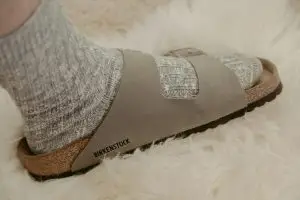
Foot health shouldn’t be limited to your morning fitness routine. For casual wear or warm weather, Birkenstock remains a top recommendation. Their signature cork-latex footbed is engineered to mimic the shape of a healthy foot, providing arch support that actually improves as the material molds to your unique footprint over time. This natural alignment helps prevent the common aches associated with flat, unsupportive sandals.
If you need a more versatile look for social gatherings or the office, brands like Taos and Alegria offer stylish options that don’t compromise on orthopedic integrity. These brands prove that aesthetic preferences and functional reliability can coexist. Vionic also stands out in this category by offering podiatrist-designed footwear that focuses on restoring your foot’s natural position. To ensure you find the right size and style for your needs, you can explore our curated collection of premium walking shoes for a professional fit. By choosing from these trusted specialists, you’re making an informed decision that supports your mobility for years to come.
Take the Next Step Toward Lasting Comfort
Your journey toward long-term foot health begins with understanding that walking is a unique biomechanical activity. By prioritizing features like beveled heels, structured arch support, and appropriate cushioning, you protect your foundation from unnecessary strain. Remember that a proper fit, tested in the late afternoon with your preferred socks, is just as critical as the technology inside the shoe itself. Choosing the right walking shoes isn’t just about immediate relief; it’s about ensuring your mobility for years to come.
As specialists in orthopedic and comfort footwear, we’re here to guide you through the selection process. We’re an authorized retailer of industry leading brands like Brooks, Hoka, and Birkenstock, and we offer premium ready-made orthotics to enhance your support further. You deserve to move through your day without the distraction of chronic pain. Find your perfect pair of supportive walking shoes at Feet for Life and rediscover the joy of an active, pain-free lifestyle. We look forward to helping you find the reliable foundation your feet deserve.
Frequently Asked Questions
Is it okay to wear running shoes for walking?
Yes, you can wear running shoes, but dedicated walking shoes are engineered differently. Running models often have flared heels for speed, while walking models use a beveled heel to assist the rolling gait. High quality running shoes from Brooks or Hoka often work well for walkers because they incorporate advanced cushioning that protects joints during the 1.5 times body weight impact generated by walking.
How often should I replace my walking shoes?
You should generally replace your footwear every 300 to 500 miles or every six to twelve months. For seniors, maintaining structural integrity is vital for balance and joint safety. Look for signs like a compressed midsole that no longer bounces back or an outsole that has worn thin. If you start feeling new aches in your knees or lower back, it’s a strong indicator that your shoes have lost their supportive qualities.
What are the best shoes for plantar fasciitis?
The best options feature a deep heel cup and rigid arch support to alleviate tension on the plantar fascia ligament. Brands like Vionic and Brooks are specifically designed to maintain neutral alignment. Vionic’s podiatrist-designed footbeds are particularly effective at cradling the heel. Adding Powerstep insoles to a neutral shoe can also provide the firm foundation needed to manage chronic heel pain and prevent further irritation during daily movement.
Do I need a wide-width shoe if my feet swell during walks?
Many walkers find that a wide-width shoe, such as a “D” for women or “EE” for men, prevents discomfort as feet naturally expand during activity. If you notice your toes feel cramped or you experience “hot spots” after thirty minutes of movement, a wider fit is likely necessary. Always test your walking shoes in the late afternoon when your feet are at their largest to ensure the toe box remains roomy and comfortable.
How can I tell if my walking shoes have enough arch support?
A supportive shoe should feel firm under your arch and resist twisting in the center. You can test this by trying to bend the shoe in half; it should only flex at the forefoot where your toes naturally bend. If the middle of the shoe is flimsy, it won’t provide the stability required to prevent overpronation. High quality brands like Dansko and Brooks prioritize this structural integrity to keep your feet properly aligned.
Are maximalist shoes like Hoka better for older walkers?
Maximalist shoes are often an excellent choice for older walkers because they offer superior shock absorption. Models like the Hoka Bondi feature a high stack height of foam that significantly reduces the impact on aging joints. This joint protection is crucial for maintaining a pain-free lifestyle. Additionally, many Hoka models use a rocker-bottom design that helps move the foot forward efficiently, which can reduce the workload on calves and ankles during long walks.
Can I use Powerstep insoles in any brand of walking shoe?
You can absolutely use Powerstep ready-made orthotics in most high quality brands as long as the original factory insole is removable. These insoles are designed to enhance the support profile of your footwear, providing a more customized feel for your arch height. They integrate seamlessly with Brooks, Hoka, and Vionic models, transforming a standard athletic shoe into a more specialized medical-grade support system that helps stabilize your stride and improve overall comfort.
Why do my feet hurt even when I wear expensive sneakers?
High-priced sneakers often prioritize style or specific athletic performance over orthopedic needs. If your shoes don’t match your unique biomechanics, such as your arch height or gait pattern, they can still cause pain regardless of the cost. You might be wearing a neutral shoe when you actually require motion control to prevent your arches from collapsing. Finding the right walking shoes involves matching the shoe’s structural features to your specific physical requirements rather than just looking at the price tag.

Article by
Sandra Parker
Sandra Parker is part of the family ownership team behind Feet for Life, a family-owned comfort footwear retailer serving customers in Visalia and Bakersfield, as well as nationwide online.
With more than 20 years of involvement in the family footwear business, Sandra brings extensive experience in retail marketing, customer education, footwear trends, and product selection. She is passionate about helping customers find comfortable, stylish, supportive footwear for everyday life.
Through Feet for Life, Sandra shares practical footwear advice, seasonal shopping trends, and insights into trusted footwear brands.