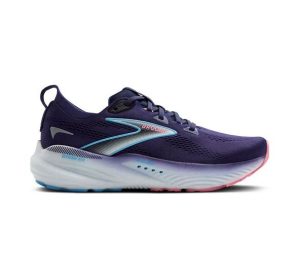


What if the most critical component of your favorite pair of Brooks or Hoka shoes isn’t the outsole or the cushion, but the foundation you place inside them? You likely invested in premium footwear to silence the persistent ache in your arches or the sharp, morning sting of heel pain. It’s understandable if the relief hasn’t been as total as you expected. Many people feel overwhelmed by the technical specifications of different L-series models or fear that choosing the wrong support level online will only lead to more discomfort. Integrating Aetrex orthotics into your daily routine can bridge this gap by providing a structural foundation tailored to your specific anatomy.
We believe that understanding your feet shouldn’t feel like a medical exam. This guide will help you move past the guesswork and discover exactly how to identify the right support for your unique foot profile. We’ll walk you through the process of selecting the ideal model for your lifestyle and show you how to properly place these inserts into your footwear for improved alignment. By the end, you’ll have the confidence to choose a solution that offers lasting relief from daily foot fatigue and helps you stay active with ease.
Key Takeaways
- Learn why Aetrex orthotics serve as structural foundations that provide far more biomechanical support than generic, over-the-counter cushions.
- Understand the specific benefits of the Lynco arch support system and how it works to align your body from the ground up.
- Identify your unique arch type using simple diagnostic techniques to ensure you select the correct support level for your foot profile.
- Master the professional method for fitting and trimming your new inserts to achieve a perfect, slip-free match with your favorite shoes.
- Discover how to pair structured support with high-performance brands like Brooks and Hoka for the ultimate combination of comfort and stability.
What Are Aetrex Orthotics and Why Do They Matter?
Aetrex orthotics are much more than simple shoe inserts; they are precision-engineered biomechanical tools designed to align your body from the ground up. While many people view Orthotics as rigid, clinical devices, Aetrex offers a sophisticated middle ground between custom medical gear and mass-market padding. By analyzing data from over 30 million individual foot scans, the brand has developed “universal” fit profiles that mirror the natural contours of the human foot with remarkable accuracy. This data-driven approach allows for a level of precision that generic, drug-store cushions simply cannot match. The core objective is to redistribute pressure across the entire plantar surface, providing the necessary arch support to mitigate common foot pains and improve overall posture.
Cushioning vs. Support: Understanding the Difference
It’s easy to confuse soft cushioning with actual support. While pillowy foam feels pleasant initially, it often lacks the structural integrity required to manage chronic issues like plantar fasciitis. Generic insoles frequently “bottom out,” meaning they compress completely under your body weight and offer no functional benefit after a few hours of wear. Aetrex orthotics utilize a patented Lynco arch support system specifically designed to stabilize the subtalar joint. This structural foundation prevents the arch from collapsing and keeps the foot in a neutral position. Instead of just masking discomfort with soft materials, these orthotics provide a firm base that maintains its shape and continues to support your weight throughout the longest days.
Who Should Consider Aetrex Orthotics?
If you experience sharp morning heel pain or a dull ache in your arches by mid-afternoon, your feet are likely signaling a need for better alignment. These inserts are particularly beneficial for professionals who spend eight or more hours on their feet, including nurses, retail workers, and restaurant staff. The constant strain of standing on hard surfaces can lead to long-term fatigue that radiates into the knees and lower back. Athletes also find these tools invaluable for enhancing the longevity and effectiveness of their performance footwear. By ensuring the foot remains properly positioned during high-impact activities, Aetrex orthotics help prevent the repetitive stress injuries that often sideline active individuals. Whether you’re training for a marathon or working a double shift, the right support changes how your entire body feels when you finally take your shoes off. This principle extends beyond athletic footwear — even at home, wearing supportive options like UGG slippers for men can protect your arches from the stress of walking barefoot on hard floors throughout the day.
The Science of Alignment: Key Features of Aetrex Technology
The effectiveness of Aetrex orthotics lies in their specific structural engineering rather than just adding a layer of softness to your shoes. While many manufacturers focus solely on the forefoot, Aetrex prioritizes the rearfoot and midfoot where the most significant biomechanical issues usually begin. This approach ensures that the support isn’t just a cushion but a functional tool for your skeletal system. By focusing on the structural integrity of the foot, these devices help manage the forces that move through your body with every step.
Lynco Arch Support: The Core of the Insole
One of the most distinctive features of the Lynco system is its placement. You might notice the arch support feels further back toward the heel than other brands you’ve tried. This posterior placement is intentional; it’s designed to stabilize the subtalar joint, which is the primary pivot point for your ankle. When this joint is properly supported, it prevents the overpronation that often leads to knee strain and hip misalignment. The apex of the arch is the highest point of the support designed to align with the center of your arch for optimal weight distribution. By hitting this specific anatomical mark, the orthotic helps transfer pressure away from high-impact areas like the ball of the foot and the heel.
Advanced Material Composition
Beyond the structural shape, the materials used in these orthotics address the sensory and hygienic needs of your feet. CopperGuard technology is integrated into the top cover to provide moisture-wicking and anti-microbial benefits. This isn’t just about reducing odor; it’s about maintaining a healthy environment for your skin during long hours of wear. Aetrex uses different top-cover materials to suit specific lifestyles, ranging from performance microfibers for runners to plush memory foam for those seeking maximum sensory comfort.
Specific models also feature “slow recovery” foam. This high-tech material reacts to the heat and pressure of your foot, gradually contouring to your unique shape over several days of use. This provides a custom-like feel that improves as you wear them. When choosing the right type of orthotic, it’s vital to consider how these materials interact with your activity level and footwear. If you’re ready to experience this level of support, exploring our collection of Aetrex orthotics is the first step toward lasting comfort.
How to Choose the Right Aetrex Orthotic for Your Foot
Selecting the ideal Aetrex orthotics is a personalized process that begins with understanding your specific foot mechanics. While a digital scan offers the most precise data, you can gather significant insights into your arch type and gait from the comfort of your home. By identifying whether you have a low, medium, or high arch, you can choose a support level that aligns your body and prevents common injuries caused by improper weight distribution. This ensures that the support you choose works with your natural movement rather than against it.
Identifying Your Arch Type at Home
The “Wet Test” is a reliable DIY method to visualize your footprint. Simply dampen the sole of your foot and step onto a piece of dark construction paper or cardboard. A full, wide footprint indicates a low arch or flat foot, which often leads to overpronation. If you see a very thin line connecting the heel and the ball of the foot, you likely have high arches. A medium arch typically shows about half of the foot’s width in the middle section. These visual cues are the first step in determining which structural foundation your body requires.
Your old walking shoes also provide a roadmap of your movement patterns. Examine the outsoles for uneven wear. If the inner edge near the big toe is significantly more worn, you are likely overpronating. Conversely, wear on the outer edge suggests supination, a common trait for those with high arches. Identifying these signs helps you decide between a “Neutral” orthotic, which provides balanced support, or a “Posted” version. A posted heel features a strategic medial post designed to stabilize the foot and prevent it from rolling too far inward during your stride.
Selecting the Correct Model Series
Once you understand your arch type, matching the orthotic to your lifestyle ensures maximum benefit. The brand organizes its offerings into distinct series to accommodate different footwear volumes and activity levels. The Compete series is engineered for high-impact activities like running or aerobic exercise. These models feature advanced shock absorption to protect your joints during repetitive motion and are ideal for athletic shoes with removable factory insoles.
For daily wear, the Casual series provides a versatile balance of sensory comfort and structural integrity. These work exceptionally well in work boots or everyday sneakers where you need consistent support during long shifts. If you frequently wear dress shoes or low-profile footwear, look for slimmer designs specifically created for limited-volume environments. These thinner Aetrex orthotics deliver the same signature Lynco arch support without making your favorite shoes feel restrictive or tight.
How to Fit and Break In Your New Orthotics
Once you’ve selected the correct model for your arch type, the next step is ensuring a seamless integration into your footwear. Proper fitment is essential because even the best Aetrex orthotics can’t function correctly if they’re fighting for space inside your shoe or sitting at an incorrect angle. A professional fit ensures that the biomechanical features we discussed earlier, like the Lynco arch support, align perfectly with your anatomy to provide the relief you expect. Taking the time to set them up correctly will prevent common issues like heel slippage or toe cramping.
Step-by-Step Trimming and Installation
Start by removing the factory insole that came with your shoe. You should never place an orthotic on top of an existing insole, as this creates excessive bulk and alters the intended fit of the shoe. Use the original factory insole as a template by placing it directly on top of your new Aetrex insert, aligning the heels. Trace the shape of the toe area with a pen. When you’re ready to cut, use a sharp pair of kitchen shears to follow your line for a clean, snag-free edge. It’s vital that you only trim the toe area; never trim the heel or the arch section. These areas contain the structural integrity of the orthotic, and altering them will compromise the support system. Slide the trimmed orthotic into your shoe and press down firmly to ensure it lies completely flat without any bunching.
The 7-Day Adaptation Period
Your feet and lower legs need a dedicated window of time to adjust to their new alignment. Even though the support is beneficial, your muscles and tendons are being asked to move in a slightly different way. Follow this simple schedule to ensure a comfortable transition:
- Day 1 to 2: Limit wear to two or three hours of light activity. If you feel minor muscle fatigue, this is a normal sign of your body adapting to better posture.
- Day 3 to 5: Increase wear time to five or six hours during low-impact activities. This is the ideal time to wear them during a standard workday or while running errands.
- Day 6 and Beyond: You should be ready for full-day use and high-impact activities like running or long-distance walking.
A proper fit is confirmed when your heel sits securely in the center of the heel cup and the arch support aligns with the highest point of your foot’s arch. If you experience persistent, sharp pain after the initial week, it’s a signal to re-evaluate your arch type or model choice. Ready to start your journey toward better alignment? You can shop our full selection of Aetrex orthotics to find the foundation your feet deserve.
Maximizing Results: Pairing Aetrex with Professional Footwear
Even the most advanced performance shoes on the market often come equipped with basic factory liners that don’t account for your specific anatomical needs. While brands like Brooks and Hoka invest heavily in midsole technology, their standard insoles are typically designed as a one-size-fits-all solution. By replacing these liners with Aetrex orthotics, you effectively bridge the gap between a mass-produced shoe and a personalized orthopedic tool. This upgrade ensures that the high-quality materials in your footwear are working in tandem with your unique arch profile to provide maximum relief.
The Power Couple: Aetrex + Performance Brands
High-end running and walking shoes serve as the perfect chassis for a premium insole. For example, Brooks shoes are renowned for their DNA cushioning and reliable stability, but they truly shine when paired with the targeted arch placement of the Lynco system. This combination ensures that while the shoe manages the impact of the ground, the orthotic manages the alignment of your foot. It’s a partnership that prevents the shoe’s cushioning from collapsing unevenly over time.
Hoka sneakers offer a different but equally valuable synergy. Their maximalist cushioning provides an exceptionally soft landing, which is ideal for joint protection. However, some users find that this extreme softness can lead to a “mushy” feel that lacks stability. Integrating a structured Aetrex insole provides the necessary rigidity to ground that plush foam, offering a stable platform without sacrificing the signature Hoka comfort. This combination creates a customized footwear experience that balances sensory softness with structural integrity.
When pairing these products, it’s important to consider shoe volume. Premium orthotics are often thicker than factory insoles, so you’ll need a shoe with enough internal depth to prevent your foot from feeling cramped. Most performance running shoes and professional work shoes are designed with extra volume to accommodate these types of upgrades. If your shoes feel tight after installation, ensure you’ve completely removed the original liner and that the new orthotic is seated firmly against the bottom of the shoe.
Maintenance and Longevity
To keep your Aetrex orthotics performing at their peak, a simple maintenance routine is essential. You can clean the top covers using a cloth dampened with mild soap and lukewarm water. Never submerge them in water or place them in a washing machine. It’s also vital to let them air dry naturally; don’t use a hair dryer or place them near a heater, as intense heat can warp the specialized foams. This preserves the anti-microbial properties of the CopperGuard technology and maintains the shape of the arch support.
Most active users should expect their orthotics to last between 6 and 12 months. This timeframe depends on your daily mileage and the intensity of your activities. You’ll know it’s time for a replacement when you notice visual wear on the top cover or if the arch support begins to feel less firm than it did on day one. Refreshing your support ensures that your body remains properly aligned and protected from the fatigue of daily movement.
Step Into Lasting Comfort and Alignment
Achieving relief from chronic foot fatigue starts with a commitment to structural alignment. By identifying your unique arch profile through simple home diagnostics and selecting the appropriate series for your lifestyle, you’ve taken the first step toward long-term wellness. Remember that the synergy between your footwear and your support system is vital; whether you’re balancing the plush foam of a Hoka or enhancing the stability of a Brooks trainer, Aetrex orthotics provide the necessary foundation to keep you moving without discomfort.
At Feet for Life, we specialize in helping you find this perfect balance. Our team offers expert guidance on pairing these specialized inserts with the industry’s leading performance brands to create a truly customized fit. With a premium selection of series designed for every activity and national shipping on all comfort footwear and accessories, your journey to better health is more accessible than ever. Don’t let daily aches dictate your pace. Shop our full collection of Aetrex Orthotics at Feet for Life today and rediscover the joy of walking with confidence and ease.
Frequently Asked Questions
Do Aetrex orthotics fit in all types of shoes?
Aetrex orthotics are designed to be compatible with a wide variety of footwear, provided you select the correct series for the shoe’s internal volume. The Compete and Casual series typically require shoes with removable insoles, such as Brooks or Hoka running shoes. For dress shoes or low-profile footwear where space is limited, the brand offers slimmer fashion-oriented models that provide the same signature arch support without causing the shoe to feel tight or restrictive.
How do I know if I need a ‘posted’ or ‘neutral’ orthotic?
You need a posted orthotic if you exhibit overpronation, where your foot rolls significantly inward during each step. A posted heel features a strategic medial post that stabilizes the foot and helps correct this alignment issue. In contrast, a neutral orthotic is ideal for those with a neutral gait or high arches who require balanced support and pressure redistribution without the additional corrective posting. Checking your shoe wear patterns can help determine which version you require.
Can I move my Aetrex orthotics between different pairs of shoes?
You can certainly move your Aetrex orthotics between different pairs of shoes, provided they have a similar shape and internal volume. For example, moving an insert from one pair of athletic sneakers to another is usually seamless. However, moving a high-volume orthotic into a slim dress shoe may cause fitment issues. To ensure the best performance and longevity, many users prefer to have a dedicated pair of orthotics for their most frequently worn shoes.
Are Aetrex orthotics better than custom-made medical orthotics?
Aetrex orthotics serve as a high-quality, professional-grade alternative that can be up to 250% less expensive than custom medical versions. While custom orthotics are fabricated from specific medical molds, Aetrex uses data from millions of foot scans to create universal profiles that fit a vast majority of users effectively. They offer an accessible solution for common alignment issues and daily foot fatigue, though they are not intended to replace specialized medical procedures or custom fabrication.
Will Aetrex orthotics help with my plantar fasciitis?
These orthotics are specifically engineered to alleviate the symptoms of plantar fasciitis by providing firm arch support and stabilizing the heel. By preventing the arch from collapsing and the plantar fascia ligament from overstretching, Aetrex orthotics help reduce the inflammation and sharp pain associated with this condition. The Lynco arch support system ensures that weight is distributed evenly across the foot, which takes the direct pressure off the painful heel area during daily activities.
How long does it take for my feet to stop hurting after I start using them?
Most individuals notice a reduction in foot fatigue almost immediately, though full adaptation typically takes about seven days. During this period, your muscles and tendons are adjusting to a healthier alignment. It is normal to feel a slight change in how you walk as your body realigns from the ground up. If you follow the recommended break-in schedule, you should experience consistent comfort and a noticeable decrease in daily pain by the end of the first week.
Can I wash my Aetrex insoles in the washing machine?
You should never wash your orthotics in a washing machine, as the agitation and heat can damage the structural integrity and the specialized foam layers. Instead, clean the top covers using a damp cloth with mild soap and lukewarm water. Always allow them to air dry completely in a cool, shaded area. Avoiding direct heat sources like radiators or hair dryers is essential to prevent the materials from warping or losing their corrective shape.
What should I do if the arch support feels like it’s in the wrong place?
If the arch support feels incorrectly placed, first ensure that you have completely removed the original factory insole from your shoe. The orthotic must sit flush against the bottom of the footwear to align correctly with your anatomy. If the support still feels too far forward or back, you may need to verify your sizing or arch type. A properly fitted orthotic should have the apex of the arch support sitting directly under the highest point of your foot’s arch.

Article by
Sandra Parker
Sandra Parker is part of the family ownership team behind Feet for Life, a family-owned comfort footwear retailer serving customers in Visalia and Bakersfield, as well as nationwide online.
With more than 20 years of involvement in the family footwear business, Sandra brings extensive experience in retail marketing, customer education, footwear trends, and product selection. She is passionate about helping customers find comfortable, stylish, supportive footwear for everyday life.
Through Feet for Life, Sandra shares practical footwear advice, seasonal shopping trends, and insights into trusted footwear brands.