
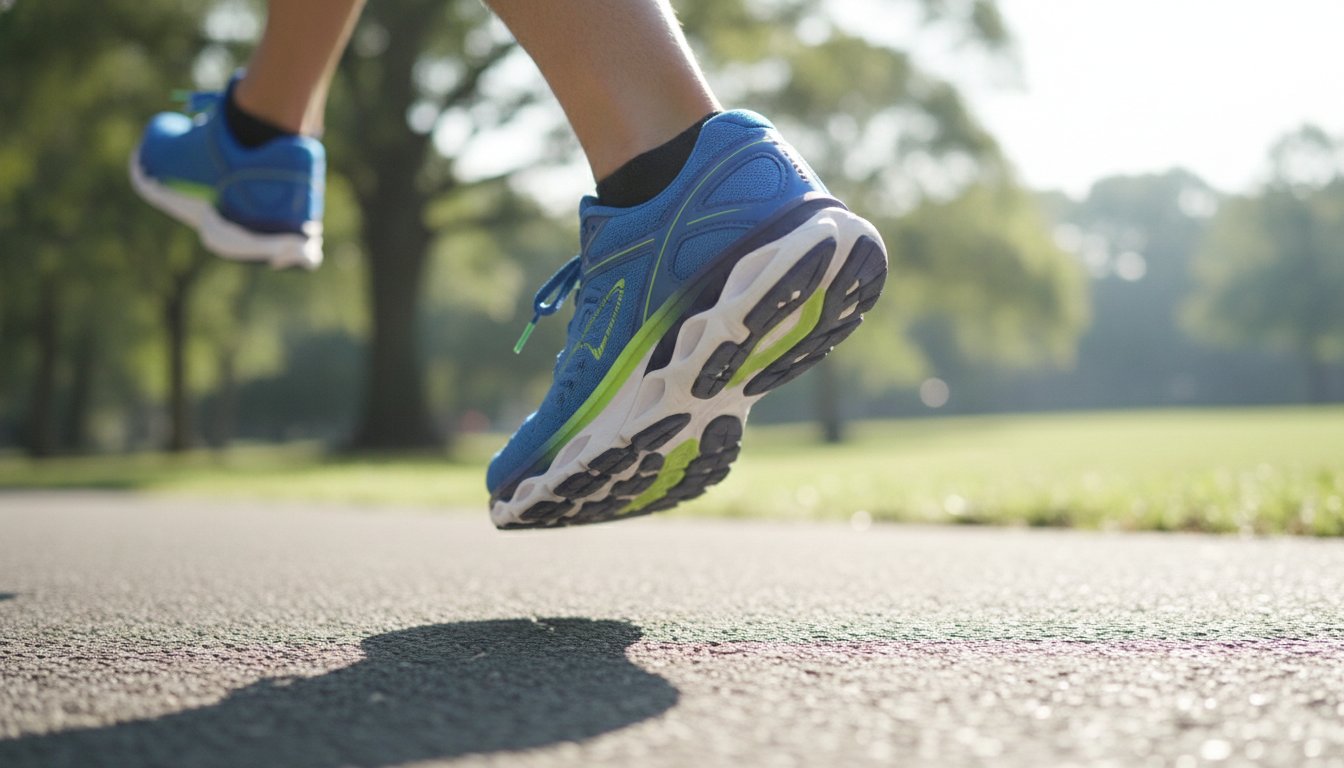
What if the secret to injury-free miles isn’t a complex training plan, but a shoe that simply gets out of your way? For many runners, the search for Brooks Ghost running shoes or any high-performance gear feels like a gamble where the stakes are foot health and knee comfort. You’ve likely felt the frustration of staring at a wall of footwear, wondering if you actually need stability or if neutral is just a marketing buzzword. It’s exhausting to decode technical terms when all you want is a reliable ride that doesn’t leave you icing your joints after a morning jog.
We understand that choosing the right footwear is a significant decision for your long-term mobility. In this guide, we’ll explore why the Ghost has earned its reputation as a gold standard for neutral runners. You’ll gain a clear understanding of the latest cushioning technology and learn exactly how to determine if this model supports your specific physical needs. We’ll compare this series to other popular Brooks models, giving you the confidence to select a shoe that promotes lasting wellness and functional comfort.
Key Takeaways
- Understand why the “neutral” design of Brooks Ghost running shoes is specifically engineered for those with medium to high arches seeking a balanced, reliable stride.
- Learn how the DNA LOFT cushioning and Segmented Crash Pad work together to absorb impact and create seamless heel-to-toe transitions during your daily activities.
- Discover how to distinguish between the Brooks “Big Three” models to determine if you need the specific support of the Adrenaline or the maximum plushness of the Glycerin.
- Evaluate how the signature 12mm heel drop can help alleviate tension on the Achilles tendon and provide much-needed relief for common conditions like plantar fasciitis.
- Identify the importance of selecting the correct width, from Narrow to Extra Wide, to ensure your footwear promotes long-term foot health and structural integrity.
What is the Brooks Ghost and Why is it a Neutral Icon?
The Brooks Ghost has long been a cornerstone of the running world, serving as a versatile daily trainer that prioritizes balanced cushioning and structural integrity. For those seeking Brooks Ghost running shoes, the primary appeal lies in the shoe’s “neutral” design. This means it’s specifically engineered for individuals who don’t require corrective support for overpronation. By 2026, this model has solidified its position as a leader in performance, utilizing sustainable materials that reduce environmental impact without sacrificing the functional reliability you expect from a premium brand. It’s often called the “reliable workhorse” because it performs consistently whether you’re on a casual morning walk or training for a marathon.
The Definition of a Neutral Running Shoe
Understanding your foot type is the first step toward long-term wellness. Pronation describes the way your foot rolls inward to distribute the impact of your step. While some rolling is a natural part of shock absorption, neutral runners typically have a medium to high arch that doesn’t collapse excessively. If your shoes show even wear across the ball of the foot and the heel, you likely fall into this category. Neutral footwear is a tool that allows the foot to move in its natural path. By providing a stable platform without intrusive medial posts, these shoes encourage your body’s inherent mechanics to function efficiently.
A Legacy of Reliable Performance
The evolution of the Ghost series is a testament to the Brooks Sports history of innovation. Over the years, the model has transitioned toward lighter, softer materials like the refined DNA LOFT cushioning, yet it remains famous for its consistent fit. Loyalists return to this shoe because they know exactly how it will feel on their feet. It’s a dependable companion for high-impact running, but its supportive structure also makes it an excellent choice for low-impact walking. This versatility ensures that your investment supports your mobility across various daily activities, reinforcing your commitment to physical health. Whether you’re navigating a busy workday or hitting the trail, the Ghost provides the sensory comfort and structural integrity needed for a pain-free experience.
Key Technology: What Makes the Brooks Ghost Different?
What makes Brooks Ghost running shoes stand out isn’t just one isolated feature, but how several specific technologies harmonize to protect your feet. The 2026 iteration continues a tradition of running shoe technology advancements that prioritize both performance and long-term joint health. Central to this experience is a weight-to-cushion ratio that provides enough protection for long days without feeling heavy or cumbersome. It’s designed to be a reliable partner for your daily movement, ensuring that every step feels consistent from the first mile to the last.
DNA LOFT Cushioning: Softness Without the Mush
DNA LOFT is a sophisticated blend of foam, rubber, and air. Unlike standard foams that can feel “dead” or overly squishy, this system adapts to your specific weight and stride. It creates a sensation of responsive softness. You’ll feel protected upon landing, yet the shoe remains firm enough to provide a stable push-off. While higher-stack models might offer more volume, the Ghost maintains a balanced approach. It keeps your foot closer to the ground, which provides better sensory feedback and structural stability. This balance is essential for preventing the “mushy” feeling that can lead to premature foot fatigue during longer outings.
Engineered Fit and Breathability
The upper of the shoe uses Engineered Air Mesh, which serves two critical purposes: security and temperature regulation. It’s designed to wrap the foot comfortably without causing friction or restriction. Several key components contribute to this personalized feel:
- 3D Fit Print: This technology applies strategic stretch and structure to the upper, ensuring the shoe moves with your foot.
- Breathable Mesh: The weave allows heat to escape quickly, preventing the discomfort of “hot spots” during extended walks or runs.
- Plush Comfort: A reinforced tongue and collar reduce pressure on the top of the foot, protecting sensitive nerves and tendons from lacing irritation.
Another critical element is the Segmented Crash Pad. This is an integrated system of shock absorbers that ensures a smooth transition from heel to toe. No matter how your foot lands, these segments work together to dampen the impact. This mechanism is vital for maintaining functional reliability and protecting your skeletal structure over hundreds of miles. If you’re ready to experience this balance of comfort and support, you can explore our full range of Brooks running and walking shoes to find your perfect fit.
Brooks Ghost vs. Adrenaline vs. Glycerin: Choosing Your Match
Understanding the Brooks core collection is much simpler when you view it through the lens of the “Big Three.” Every foot has unique requirements for structural support and sensory comfort. While the brand offers many specialized models, most people find their ideal fit within this trio. The Ghost serves as the balanced anchor of the group. If you’re looking for a comprehensive breakdown of how these models fit into the wider brand philosophy, you can explore The Ultimate Guide to Brooks Running & Walking Shoes: 2026 Edition. Identifying your specific needs based on arch height and impact level will prevent you from choosing a shoe that works against your body’s natural mechanics.
Ghost vs. Adrenaline GTS: Neutral vs. Stability
The primary differentiator between these two icons is the presence of GuideRails technology. The Adrenaline GTS is a stability shoe designed to curb overpronation, where the foot rolls inward excessively. GuideRails act like bumpers on a bowling alley, gently encouraging your knee and ankle to stay in their natural path of motion. Brooks Ghost running shoes omit this feature because they are built for neutral runners with medium to high arches who don’t require corrective lateral support. You can determine if you need the Ghost or the Adrenaline by checking for these signs:
- Neutral (Ghost): Your old shoes show even wear across the ball of the foot; your knees remain aligned over your toes during a squat.
- Stability (Adrenaline): You notice significant wear on the inner edge of your soles; you frequently experience inner-knee discomfort after walking.
Ghost vs. Glycerin: Standard vs. Maximum Cushion
If the Ghost is the reliable daily trainer, the Glycerin is the “luxury” alternative. The Glycerin uses a higher volume of nitrogen-infused cushioning to provide a plush, “cloud-like” sensation. While this sounds appealing, more isn’t always better for every runner. Many people prefer the Brooks Ghost running shoes because they offer a better “ground feel.” This means you stay more connected to the surface, which can improve balance and proprioception. The Glycerin is often slightly heavier and sits at a premium price point compared to the Ghost. Following expert tips on choosing running shoes can help you decide if you truly need maximum dampening or if the Ghost’s balanced approach provides the right level of joint protection for your daily routine.
Is the Brooks Ghost Right for Your Foot Health?
While performance metrics matter to athletes, the impact of Brooks Ghost running shoes on daily foot health is what truly defines their value for many of our customers. One of the most significant features of this model is its 12mm heel-to-toe drop. This measurement represents the height difference between the heel and the forefoot. A higher drop like this is often a deliberate choice for those managing chronic lower-leg tension. By elevating the heel, the shoe reduces the stretch required from the Achilles tendon and calf muscles during every step. This specific geometry can be a game-changer for someone who wakes up with stiff, painful heels every morning.
Support for Plantar Fasciitis and Heel Pain
The structural integrity of the Ghost makes it a frequent recommendation for those dealing with plantar fasciitis. The firm, structured heel counter provides a secure cradle for the calcaneus, preventing the micro-movements that often aggravate heel pain. Because it’s a neutral shoe, it offers a predictable, stable platform without forcing the foot into an unnatural position. For individuals who require additional arch support, the Ghost is perfectly compatible with Powerstep Insoles. Adding a medical-grade insole to the neutral midsole creates a customized environment that maximizes relief for the plantar fascia. This combination allows you to maintain your activity levels while your body heals.
Versatility Beyond the Running Path
You don’t have to be a marathoner to benefit from the engineering in these shoes. We often suggest the Ghost to healthcare workers and retail professionals who spend eight to twelve hours standing on hard surfaces. The DNA LOFT foam provides the necessary dampening to prevent joint fatigue; meanwhile, the understated aesthetic allows it to blend into a professional wardrobe. Seniors also appreciate the shoe’s reliable traction. The durable rubber outsole provides a secure grip on varied surfaces, from slick hospital hallways to uneven neighborhood sidewalks. It’s a functional tool for maintaining mobility and independence as you age. If you’re looking for a shoe that supports your wellness journey, you can browse our full selection of Brooks running and walking shoes to find your size.
The Professional Fit: Getting the Most from Your Brooks
A technical shoe like the Brooks Ghost running shoes can only perform its best if it fits your specific foot geometry. Many people mistakenly buy the same size for their daily trainers as they do for dress shoes. However, performance footwear requires extra space to accommodate the natural swelling that occurs during activity. A professional fitting ensures you aren’t just choosing a style, but a tool that preserves your structural health. At Feet for Life, we see the results of poor sizing every day. It’s often the hidden cause behind persistent foot fatigue.
To check your fit, use the “rule of thumb.” There should be about a half-inch of space, roughly the width of your thumb, between your longest toe and the end of the shoe. This gap is vital. It prevents the repetitive trauma that leads to black toenails and painful blisters. A proper fit also ensures the ball of your foot sits at the widest part of the shoe. This alignment reduces pressure on the forefoot, helping to ward off metatarsalgia and other inflammatory conditions that can sideline your daily activities.
Why Width Matters
Brooks remains a leader in footwear inclusivity, offering the Ghost in Narrow, Standard, Wide, and Extra Wide. If you feel your foot spilling over the edge of the midsole or experience numbness in your toes, you likely need a wider platform rather than a larger size. The Ghost upper is designed to wrap the foot securely, but it shouldn’t feel restrictive. Choosing the correct width ensures that the internal supports of the shoe align perfectly with your arches. This provides the functional reliability and sensory comfort necessary for long-term wellness.
When to Replace Your Ghost Shoes
Even the most advanced materials have a finite lifespan. Most high-quality foam shoes provide optimal protection for 300 to 500 miles of use. Beyond this point, the “bounce” of the DNA LOFT cushioning begins to degrade, even if the upper still looks new. You can spot the need for a new pair by looking for these specific cues:
- Midsole Creasing: Deep horizontal lines in the foam suggest the material has lost its ability to rebound.
- Outsole Wear: If the tread is smooth or the underlying foam is showing through the rubber, your traction is compromised.
- Increased Aches: If you start feeling new discomfort in your knees or hips after a walk, the shoe’s shock absorption is likely spent.
Being proactive about replacement isn’t about following a trend. It’s about maintaining the integrity of your joints. By replacing your footwear before the support fails, you ensure your body remains encouraged and capable in your daily activities.
Empower Your Every Step
Investing in the right footwear is a commitment to your long-term mobility and physical well-being. We’ve seen how the balanced design of Brooks Ghost running shoes provides a reliable foundation for neutral runners and walkers alike. These shoes offer joint protection without the bulk of maximum-cushion models. By prioritizing professional sizing and selecting the correct width, you can avoid common issues like metatarsalgia and heel pain. The right fit changes everything. As an authorized Brooks retailer and specialists in foot health and comfort, we offer a wide range of sizes and widths to suit every unique foot profile.
Our goal is to ensure you feel both understood in your physical needs and encouraged in your daily activities. When your footwear provides the necessary structural integrity, you can focus on the path ahead. It’s time to experience the functional reliability that has made this model a neutral icon. Please browse our selection of Brooks Ghost and supportive footwear to discover your ideal fit. We’re here to help you move with confidence and comfort every day.
Frequently Asked Questions
Are Brooks Ghost shoes good for high arches?
Yes, Brooks Ghost running shoes are an excellent choice for individuals with high arches. Because high arches typically don’t roll inward enough to absorb shock naturally, they require the neutral, responsive cushioning found in the Ghost series. This model provides the necessary impact protection without the intrusive medial posts found in stability shoes. This allows your foot to move through its natural gait cycle while maintaining structural integrity and sensory comfort during daily activities.
What is the difference between Brooks Ghost and Brooks Adrenaline?
The primary difference lies in the support system. The Adrenaline is a stability shoe featuring GuideRails technology, which acts like bumpers to curb excessive inward rolling or overpronation. In contrast, the Ghost is a neutral trainer designed for those with a more stable foot strike. While both offer premium cushioning, the Ghost provides a more flexible, unrestricted feel for runners and walkers who don’t require corrective lateral support to maintain proper knee and ankle alignment.
Do Brooks Ghost running shoes run true to size?
Most users find that these shoes run true to size, but we recommend following the “rule of thumb” for a professional fit. Since feet naturally swell during long walks or runs, your performance footwear should typically be a half-size larger than your standard dress shoes. Ensuring there is roughly a half-inch of space at the toes helps prevent blisters and metatarsalgia. We carry an extensive inventory of various widths and sizes to ensure a precise, supportive fit.
Is the Brooks Ghost 16/17 waterproof?
Standard Ghost models are constructed with Engineered Air Mesh for maximum breathability and are not waterproof. This design is intentional to prevent overheating and allow moisture to escape. However, Brooks often releases a specific “GTX” version of the Ghost that features a Gore-Tex lining for water protection. If you frequently navigate wet conditions, look for the GTX designation to ensure your feet stay dry while maintaining the functional reliability and comfort of the Ghost platform.
How many miles should I expect to get out of my Brooks Ghost?
You can typically expect to get between 300 and 500 miles out of a pair of Brooks Ghost running shoes. While the durable rubber outsole might look intact, the DNA LOFT foam in the midsole eventually loses its ability to rebound and absorb shock. We suggest a proactive approach to replacement to protect your joints. If you notice deep creasing in the foam or feel new aches in your knees after use, it’s likely time for a fresh pair.
Can I use the Brooks Ghost for gym workouts and cross-training?
The Ghost is a versatile tool that performs well for treadmill sessions and light gym workouts. Its balanced cushioning provides great comfort for standing and walking between machines. However, because it’s optimized for forward motion, it may lack the lateral stability required for high-intensity cross-training or sports involving quick side-to-side movements. For general fitness and daily activity, it remains a highly reliable choice that supports long-term foot health and mobility.
Are Brooks Ghost shoes suitable for people with flat feet?
Generally, individuals with flat feet or low arches benefit more from a stability shoe like the Adrenaline. However, the Ghost can be a suitable option if you use medical-grade Powerstep insoles or other ready-made orthotics. Since the Ghost is a neutral shoe, it provides a stable, flat base that doesn’t interfere with the corrective shape of your insert. This combination allows for a customized support system tailored to your specific structural needs and comfort preferences.
What is the “drop” in a Brooks Ghost and why does it matter?
The “drop” refers to the height difference between the heel and the forefoot, which is 12mm in the Ghost. This higher drop is beneficial for those who experience tightness in the Achilles tendon or calf muscles. By elevating the heel slightly, the shoe reduces the strain on the back of the leg during each step. This geometry is particularly reassuring for individuals managing heel pain or recovering from lower-leg strain, as it promotes a more comfortable and sustainable gait.

Article by
Sandra Parker
Sandra Parker is part of the family ownership team behind Feet for Life, a family-owned comfort footwear retailer serving customers in Visalia and Bakersfield, as well as nationwide online.
With more than 20 years of involvement in the family footwear business, Sandra brings extensive experience in retail marketing, customer education, footwear trends, and product selection. She is passionate about helping customers find comfortable, stylish, supportive footwear for everyday life.
Through Feet for Life, Sandra shares practical footwear advice, seasonal shopping trends, and insights into trusted footwear brands.