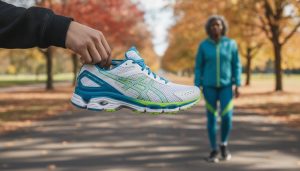

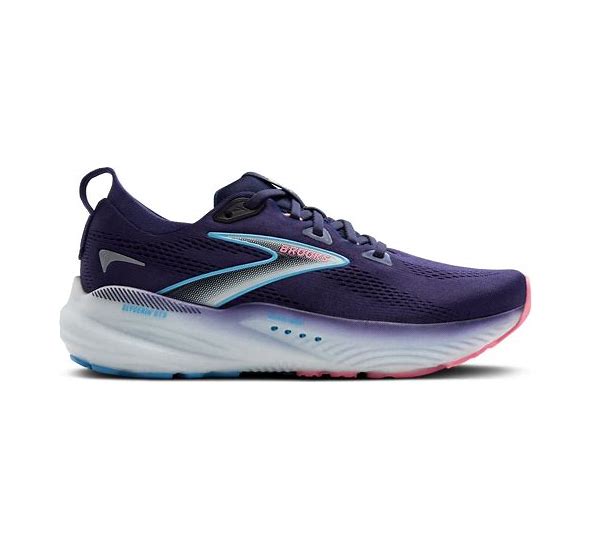
What if your footwear did more than just cover your feet, acting instead as a specialized tool for long-term joint health? If you’ve ever felt the sharp jar of a hard pavement strike or the lingering sting of a plantar fasciitis flare-up, you know that the wrong shoe can turn a healthy walk into a painful recovery process. You deserve a solution that prioritizes your physical well-being without sacrificing the joy of daily activity. Many people mistakenly believe that high-performance Brooks Glycerin running shoes are reserved only for marathoners, but for those seeking relief from chronic foot fatigue, they represent a vital investment in structural integrity and mobility.
This guide explores how the 2026 Glycerin series provides a “walking on clouds” sensation through its innovative DNA Tuned nitrogen-infused foam. We’ll show you how this technology offers medical-grade structural support to help reduce recovery time and accommodate custom orthotics or insoles. Whether you need the neutral cushioning of the Glycerin 23, the stability-focused GuideRails in the GTS 23, or the maximum impact absorption of the Glycerin Max 2, you’ll discover exactly which model matches your unique foot type. We’ll also address how to find the right width to ensure your comfort isn’t restricted by a narrow fit, helping you move with confidence and ease.
Key Takeaways
- Learn how nitrogen-infused foam technology creates a plush, durable ride that protects your joints during high-impact movement.
- Understand the difference between neutral Brooks Glycerin running shoes and the GTS version to ensure you receive the correct level of stability for your gait.
- Discover how to achieve a perfect fit by utilizing Wide and Extra Wide options and applying the “thumb’s width” rule for optimal comfort.
- Explore the benefits of pairing your footwear with Powerstep insoles to provide targeted relief for heel pain and plantar fasciitis.
- Find out why a professional fitting is essential for matching these high-performance shoes to your specific foot biomechanics and long-term health.
Why the Brooks Glycerin is the Gold Standard for Cushioned Performance
Brooks Glycerin running shoes have long been recognized as the pinnacle of neutral cushioning, but the 2026 lineup elevates this reputation to a new level of orthopedic care. Designed specifically for maximum impact protection, the Glycerin series serves as the brand’s premier solution for those who require a soft, forgiving ride. While many athletic shoes prioritize speed or weight reduction, the Glycerin focuses on structural health. It provides a consistent barrier between your feet and the hard surfaces of modern life, making it a favorite for runners, dedicated walkers, and professionals who spend eight or more hours daily on their feet. Brooks Glycerin represents the ultimate solution for high-impact shock absorption, bridging the gap between athletic performance and orthopedic safety.
The “plush” sensation often associated with this model is more than just a luxury; it’s a functional tool for pain management. By distributing pressure evenly across the bottom of the foot, the shoe significantly reduces concentrated stress on the metatarsals and the heel bone. This is particularly beneficial for individuals dealing with fat pad atrophy or general foot fatigue. Building on Brooks’ history of innovation, the current models ensure that every step feels supported rather than unstable. This balance allows you to maintain your activity levels without the typical joint jar that often leads to inflammation and longer recovery times.
The Evolution of the Glycerin Series in 2026
The 2026 release of the Glycerin 23 and the Glycerin Max 2 marks a significant shift toward a more anatomical design. The silhouette has been refined to mirror the natural shape of the human foot, allowing for better toe splay and a more secure midfoot lockdown. These changes are complemented by improved engineered mesh uppers that provide targeted breathability. By removing unnecessary overlays, Brooks has eliminated common pressure points that often cause discomfort during long periods of wear. The introduction of DNA Tuned foam technology also ensures that the cushioning is responsive, providing soft landings in the heel and a firm, energetic toe-off.
Who Should Choose the Glycerin over the Brooks Ghost?
Deciding between the Glycerin and the Brooks Ghost often comes down to the level of protection your joints require. While the Ghost is a reliable daily trainer, the Glycerin offers a significantly higher stack height and a more substantial volume of nitrogen-infused foam. This extra layer of protection is essential for runners with sensitive feet or those recovering from injuries like plantar fasciitis. The “step-in comfort” of the Glycerin is noticeably more luxurious, providing an immediate sense of relief the moment you lace them up. If your routine involves high-mileage training or long recovery walks on asphalt, the Glycerin provides the superior impact mitigation needed to keep you moving comfortably day after day.
Decoding the Technology: DNA LOFT v3 and Nitro-Infusion
The secret behind the legendary comfort of Brooks Glycerin running shoes lies in the sophisticated process of nitrogen infusion. While earlier iterations popularized DNA LOFT v3, the 2026 models have evolved this foundation into a more refined system called DNA Tuned. This technology involves infusing liquid nitrogen into the midsole material under high pressure and heat, creating a foam that is simultaneously lighter, softer, and more durable than traditional EVA. Unlike standard midsoles that can feel “dead” or compressed after a few hundred miles, nitro-infused foam maintains its structural integrity. For the wearer, this means consistent cushioning that doesn’t bottom out during long days on the job or high-mileage training sessions.
Many people worry that a shoe this soft will feel “mushy” or sluggish, but the nitrogen-infusion process solves this through a unique rebound effect. The foam cells act like tiny springs, returning energy to your stride rather than just absorbing it. This ensures that every step feels energetic, which is a critical orthopedic benefit for preventing leg fatigue. As highlighted in RunRepeat’s lab-tested review, the technical balance of this foam allows for a plush landing without sacrificing the responsiveness needed for a natural gait. If you’re ready to experience this level of support, you can browse our curated selection of Brooks running and walking shoes to see the technology in action.
The Science of Nitrogen-Infused Foam
The infusion process creates a dual-cell structure within the midsole that is specifically “tuned” for the human gait. Larger cells are concentrated in the heel to disperse the heavy shock of impact, while smaller, denser cells in the forefoot provide a stable platform for pushing off. This specialized shock dispersion is a game-changer for individuals with knee or lower back sensitivity. By reducing the vibrations that travel up the kinetic chain, the shoe helps mitigate the micro-trauma that often leads to chronic joint pain. The result is a high-cushion experience that feels stable and protective rather than unstable.
Engineered Warp Knit and Breathability
The technical precision of the Glycerin extends to the upper, which utilizes an engineered warp knit designed for a secure but non-constricting hold. This material is particularly beneficial if you deal with bunions or hammertoes, as it offers enough flexibility to accommodate irregularities without creating friction. A seamless internal construction prevents the rubbing that often causes blisters during long periods of wear. To ensure a locked-in feel, Brooks includes a plush collar design and targeted padding that prevents heel slipping. This combination of a high-tech midsole and a forgiving upper creates a comprehensive environment for foot health and daily comfort.
Glycerin vs. Glycerin GTS: Which Support Level Do You Need?
Choosing between the standard model and the GTS version is a critical step in ensuring your Brooks Glycerin running shoes provide the relief you need. GTS stands for “Go-To-Support,” a designation Brooks uses for footwear engineered to address overpronation, or the tendency for the foot to roll inward excessively. While both models feature the signature nitrogen-infused DNA Tuned foam, the GTS version adds a layer of intelligent stability that the neutral model lacks. If you find that your current shoes wear out faster on the inner edge of the sole, or if you experience recurring fatigue in your arches, the GTS is likely the better fit for your biomechanics.
Determining your support needs doesn’t require a medical degree, but it does require paying attention to how your body moves. As noted in Believe in the Run’s expert review, the GTS 23 provides a secure, structured ride that feels remarkably similar to the neutral version until you actually need the support. Use this checklist to see if you should opt for the GTS version:
- Do your ankles or arches seem to collapse inward when you stand?
- Have you noticed that your knees or hips ache after a long day of walking?
- Do you have flexible arches that flatten significantly under weight?
- Have you been told by a specialist that you overpronate?
Understanding GuideRails Technology
The hallmark of the GTS series is GuideRails technology, a holistic support system that focuses on more than just the feet. Think of GuideRails like the bumpers on a bowling alley; they remain out of the way until your form begins to waver. When your foot starts to roll inward, the GuideRails provide a gentle correction to keep your stride centered. This approach is particularly beneficial for walkers who suffer from flat foot fatigue or those with previous knee injuries, as it helps maintain proper alignment through the entire kinetic chain. It’s a sophisticated way to manage stability without the stiff, intrusive feel of traditional orthopedic posts.
Neutral Cushioning for High Arches
If you have high, rigid arches, the standard neutral Glycerin is typically the superior choice. Feet with high arches are often less effective at absorbing shock naturally, which is why the maximum cushioning of the standard Glycerin is so vital. In these cases, adding stability can actually be counterproductive by making the shoe too stiff. A neutral shoe allows your foot to move through its natural range of motion while providing a soft landing. For a more detailed look at matching your arch type to the right footwear, see our guide on Brooks for flat feet: finding the perfect arch support. Understanding your gait ensures that the plush comfort of the Glycerin series translates into long-term wellness.
Finding Your Perfect Fit: Widths, Sizes, and the Max Series
Securing the correct fit is as vital as the technology inside the shoe. When you’re trying on Brooks Glycerin running shoes, you should always apply the “thumb’s width” rule. There should be approximately half an inch of space between your longest toe and the end of the shoe. This gap isn’t just for comfort; it’s a functional requirement that allows your feet to swell naturally during long-distance walking or late-afternoon activity without causing painful pressure or black toenails. If you’re a professional who stands for eight hours or more, you’ll find that your feet expand significantly by the end of your shift, making this extra space essential for long-term health.
While many retailers only stock standard sizes, Brooks offers a comprehensive range of width options to ensure every foot type is accommodated. For men, this includes Medium (D), Wide (2E), and Extra Wide (4E). Women can choose between Medium (B) and Wide (D). Choosing the correct width prevents the fabric from overstretching and ensures your foot remains centered over the DNA Tuned foam. If you’re ready to find the ideal match for your foot shape, you can explore our full inventory of Brooks running and walking shoes to see the wide and extra-wide options currently in stock.
The Glycerin Max: Taking Cushioning to the Extreme
The 2026 lineup includes the Glycerin Max 2, a model designed for those who want to take impact protection to the absolute limit. This version features a significantly higher stack height than the standard Glycerin 23, providing an even thicker layer of nitrogen-infused foam. What truly sets the Max apart is its GlideRoll Rocker geometry. This curved sole design assists the foot through the gait cycle, reducing the amount of force required for toe-off. Because of this, the Max is an exceptional choice for individuals with limited toe mobility, hallux limitus, or severe plantar fasciitis, as it minimizes the strain on the forefoot and heel during every step.
Accommodating Wide Feet and Orthopedic Needs
The structural design of the Glycerin series is particularly friendly to those with orthopedic concerns. The toe box is shaped to allow for natural toe splay, which is a major benefit for anyone dealing with bunions, hammertoes, or edema. Because the Glycerin features a high internal volume, it remains an ideal host for aftermarket insoles or custom-made orthotics without making the shoe feel too tight. Using the Wide (2E) or Extra Wide (4E) options ensures that the shoe doesn’t compress the sides of the foot, maintaining healthy circulation throughout the day. This combination of volume and width makes it one of the most versatile tools for managing chronic foot pain.
Optimizing Your Brooks Experience with Professional Fitting
While online algorithms and automated quizzes are convenient, they cannot replace the expert eye of a professional who understands human biomechanics. A physical fitting ensures that your Brooks Glycerin running shoes are perfectly aligned with the way your body moves. We observe how your ankle rolls, where your arch collapses, and how your weight distributes during each phase of your gait. This personalized attention is what transforms a premium sneaker into a targeted health solution. At Feet for Life, we focus on providing the specific structural support your feet require to remain pain-free during long shifts or high-mileage walks.
Many people find that the right shoe is only half of the equation. If you’re managing chronic conditions like plantar fasciitis or high arch fatigue, pairing your footwear with Powerstep Insoles can provide the additional rigidity needed for true relief. While the Glycerin’s nitrogen-infused foam manages the shock of the ground, the orthotic keeps your foot in a neutral position to prevent ligament strain. This combination of soft impact absorption and firm structural support is the gold standard for long-term orthopedic health.
Enhancing Support with Orthotics
The design of the Glycerin series is particularly accommodating for those who use aftermarket supports. Because the factory sockliner is easily removable, you can swap it for medical-grade orthotics without sacrificing internal volume or causing the shoe to feel too tight. This is especially beneficial when using Aetrex or Powerstep products, as it allows the deep heel cup of the orthotic to sit properly within the shoe’s structure. For a comprehensive look at how the entire brand lineup supports different foot types, you can explore The Ultimate Guide to Brooks Running & Walking Shoes to find your perfect match.
Care and Longevity for Premium Footwear
To ensure your investment continues to protect your joints, you must follow a few basic care principles. The engineered warp knit upper is best cleaned with a soft brush and mild soap; this prevents dirt from breaking down the fibers over time. It’s a common mistake to put athletic shoes in the dryer, but you should always air-dry them instead. High heat can cause the DNA Tuned foam to shrink or lose its rebound properties, which compromises the shoe’s ability to absorb shock effectively.
Even with meticulous care, the structural integrity of any shoe will eventually diminish. We typically recommend replacing your Brooks Glycerin running shoes every 300 to 500 miles. You’ll know it’s time for a new pair when you notice deep creasing in the midsole foam or if you start to feel the “jar” of the pavement in your knees and lower back again. By staying ahead of foam fatigue, you ensure that your body always has the medical-grade cushioning it needs to support an active, healthy lifestyle.
Take the Next Step Toward Lasting Foot Health
Choosing the right footwear is a significant commitment to your long-term mobility and daily comfort. You now understand how the nitrogen-infused DNA Tuned technology in Brooks Glycerin running shoes provides the essential impact protection your joints require. Whether you need the neutral cushioning of the standard model or the holistic support of the GTS version, the goal remains a pain-free experience. Achieving that “walking on clouds” sensation depends on a precise fit that accommodates your unique biomechanics, evening swelling, and any necessary orthopedic insoles.
As an authorized Brooks retailer, Feet for Life is dedicated to helping you find a functional solution rather than just another pair of sneakers. We offer expert fitting advice for targeted foot pain relief and maintain an extensive inventory of Wide and Extra-Wide sizes in stock. Our team is here to ensure your footwear supports your lifestyle and your health goals. Shop our curated collection of Brooks Glycerin running shoes today!
You don’t have to accept foot fatigue or joint jar as an unavoidable part of your day. Invest in your well-being today and rediscover the joy of moving with total confidence and ease.
Frequently Asked Questions
Is the Brooks Glycerin good for plantar fasciitis?
Yes, the Brooks Glycerin is an excellent choice for managing plantar fasciitis symptoms. Its high stack height and nitrogen-infused DNA Tuned foam provide the maximum impact protection needed to soothe heel pain. For those who require additional arch support, we often recommend pairing these shoes with Powerstep insoles. This combination stabilizes the plantar fascia ligament while the shoe’s plush midsole absorbs the harsh shock of every step you take.
What is the difference between Brooks Glycerin and Brooks Ghost?
The primary difference lies in the level of cushioning and the midsole technology used. While the Ghost is a reliable daily trainer, Brooks Glycerin running shoes offer a more premium, plush experience with a higher volume of DNA Tuned foam. The Glycerin provides superior impact mitigation and a softer “step-in” feel compared to the Ghost. This makes it the better choice for runners or walkers who prioritize maximum joint protection over a lighter weight.
How many miles do Brooks Glycerin running shoes last?
Most pairs will provide peak performance for approximately 300 to 500 miles. This lifespan depends on your weight, walking surface, and how often you wear them. You’ll know it’s time for a replacement when the foam starts to show deep compression wrinkles or if you notice a return of joint fatigue after your daily activity. Replacing them on schedule ensures your feet always have the structural integrity they need for long-term health.
Does the Brooks Glycerin come in wide widths?
Yes, Brooks Glycerin running shoes are available in multiple width options to accommodate different foot shapes. Men can choose from Medium (D), Wide (2E), and Extra Wide (4E) options. Women have access to Medium (B) and Wide (D) widths. Having access to these variations is essential for individuals dealing with bunions or evening swelling, as it prevents the foot from being compressed against the sides of the shoe during movement.
What does GTS mean in Brooks shoes?
GTS stands for “Go-To-Support” and indicates that the shoe features GuideRails technology. Unlike traditional stability shoes that use stiff posts, GTS models use a holistic support system that acts like bumpers on a bowling alley. These GuideRails only engage when your foot rolls too far inward or outward. This helps maintain proper alignment for your knees and hips, making it ideal for those who overpronate or have flexible arches that fatigue easily.
Can I use custom orthotics with the Brooks Glycerin?
You can absolutely use custom orthotics or ready-made insoles with this series. Each shoe features a removable sockliner that can be easily replaced with your specialized support. The high internal volume of the Glycerin ensures that even thicker orthotics won’t make the fit feel too tight or restrictive. This versatility allows you to combine the shoe’s legendary cushioning with the specific arch support your specialist has recommended for your unique foot structure.
Is the Brooks Glycerin a neutral or stability shoe?
The Glycerin is unique because it is offered in both neutral and stability versions. The standard Glycerin 23 is a neutral shoe designed for those with neutral gaits or high arches. The Glycerin GTS 23 is the stability version, featuring GuideRails to assist those who overpronate. Both models utilize the same DNA Tuned foam, so you don’t have to sacrifice that signature “walking on clouds” sensation to get the specific support you need.
Is the Brooks Glycerin good for standing all day on concrete?
This model is one of the best options for professionals who stand on hard surfaces for eight hours or more. The nitrogen-infused foam provides consistent shock absorption that doesn’t bottom out over time, which is vital for preventing lower back and leg fatigue. Whether you’re a healthcare worker or in the service industry, the Glycerin’s ability to disperse pressure across the entire foot makes concrete floors much more manageable for your joints.

Article by
Sandra Parker
Sandra Parker is part of the family ownership team behind Feet for Life, a family-owned comfort footwear retailer serving customers in Visalia and Bakersfield, as well as nationwide online.
With more than 20 years of involvement in the family footwear business, Sandra brings extensive experience in retail marketing, customer education, footwear trends, and product selection. She is passionate about helping customers find comfortable, stylish, supportive footwear for everyday life.
Through Feet for Life, Sandra shares practical footwear advice, seasonal shopping trends, and insights into trusted footwear brands.