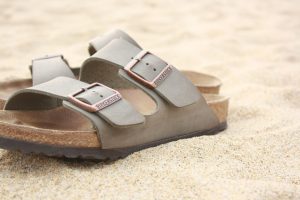


Plantar Fasciitis is a common issue that affects approximately 1 in 10 people at some point in their lifetime. So, if you have been experiencing foot pain, this common culprit may be to blame.
Learn more about plantar fasciitis pain, causes, treatment, and more.
What Is Plantar Fasciitis?
A thick band of tissue called the plantar fascia connects your heel bone to the toes. When this band of tissue becomes inflamed, it can cause stabbing pain that ranges in severity.
Many doctors once believed that heel spurs caused pain associated with plantar fasciitis. It is now known, however, that heel spurs are a result of this condition.
Symptoms of Plantar Fasciitis
Plantar fasciitis symptoms are typically unmistakable. The pain is generally located in the heel and is most severe during the first steps of the morning. The pain may subside throughout the day but return after you have been on your feet for an extended period.
Causes of Plantar Fasciitis
The plantar fascia supports the arch of your foot and absorbs shock when you walk or run. When you are on your feet, you can get tiny tears in the tissue, which irritate it and cause plantar fasciitis.
Although anyone can develop plantar fasciitis, certain factors increase your risk of developing it. Here are a few risk factors and causes of foot pain from plantar fasciitis.
Age
Plantar fasciitis is most common in individuals between the ages of 40 and 60. This is due to their plantar fascia wearing down over time.
Exercise
Exercises such as long-distance running, soccer, and dancing can place extra stress on the foot, potentially causing pain associated with plantar fasciitis.
Occupation
If you have an occupation where you are on your feet all day, you are more likely to put stress on your feet and therefore experience plantar fasciitis.
Weight
Those who are obese are more likely to get plantar fasciitis due to the extra weight their feet have to support.
Genetics
Some people get lucky with genetics. If you have naturally flat feet or high arches, you may be more likely to experience pain from plantar fasciitis.
Plantar Fasciitis Medical Treatment Options
There are several options available for treating plantar fasciitis pain. Some are stronger than others. Consult your doctor to see which treatment option is right for you.
Here are just a few of the most common medical treatment options.
Medication
For pain that can be managed easily, you may be advised to take over-the-counter pain medication such as Advil or Aleve. This can help reduce inflammation, which in turn can help alleviate your pain.
Therapy
Some people choose to get a physical therapist to help with the pain. A physical therapist can teach you exercises to stretch your legs and plantar fascia that will relieve some of your pain.
Some physical therapists may prescribe night splints, walking boots, or orthotics to help alleviate symptoms. These are all forms of support that can hold your foot in place and relieve some of the stress you put on it.
Surgery
For more severe cases of plantar fasciitis, your doctor may recommend surgical treatment. Typical forms of surgical treatment for plantar fasciitis include steroid injections, shock wave therapy, and in rare cases, invasive surgery.
Plantar Fasciitis Lifestyle Treatment Options
Before turning to medical treatments, many people try to eliminate the pain alone. A few small changes can go a long way regarding plantar fasciitis.
You can do this daily to reduce pain from plantar fasciitis.
Switch Up Your Exercise
If your exercise of choice is strenuous on your feet, it may be time to switch to a different activity for a while. Try something less impactful, such as swimming, rowing, or biking. If you must continue your current exercise, choose supportive footwear.
Rest and Recover
Taking adequate time to rest and recover is one of the most effective ways to alleviate pain. Perform specific exercises to stretch the arch of your foot and relieve pressure on your heels. You can also reduce inflammation by holding an ice pack to your feet for 15 minutes.
Maintain a Healthy Lifestyle
Because extra weight can put more stress on your feet, reducing your body weight can have a significant impact. If you are overweight, consider making a few small lifestyle changes to lose weight and reduce stress on your feet.
Shoes to Help Manage Plantar Fasciitis Pain
One of the most effective ways to combat pain is to choose the right shoes. Plantar fasciitis shoes provide support that can offer relief from persistent foot pain.
If you spend your day on your feet, it’s essential to wear supportive shoes. Choose a shoe with good arch support, extra cushioning, and a roomy toe box.
Shoes like Alegria are ideal for individuals who stand on their feet all day, such as those in occupations like teaching and nursing. Alegria is specifically designed for women, but similar brands are also available for men.
If your plantar fasciitis pain is primarily caused by exercise, consider getting a supportive shoe to address this issue. Select a tennis shoe with enhanced stability and cushioning to provide support on uneven surfaces.
HOKA ONE ONE is an excellent brand for sports lovers with plantar fasciitis pain. They feature a rocker sole and a built-in orthotic footbed that helps support you through any activity.
Take Control of Your Pain Today
Plantar fasciitis pain doesn’t have to ruin your life. With the proper guidance and tools, you can alleviate pain and return to your daily life.
If you’re looking to purchase footwear that supports your feet, feel free to explore our plantar fasciitis footwear section.